


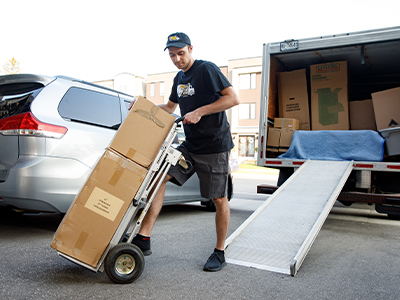
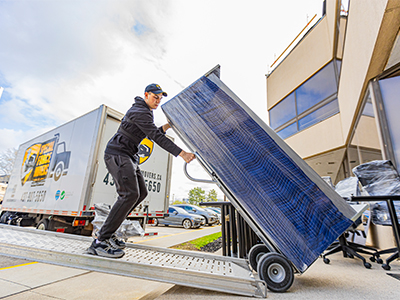


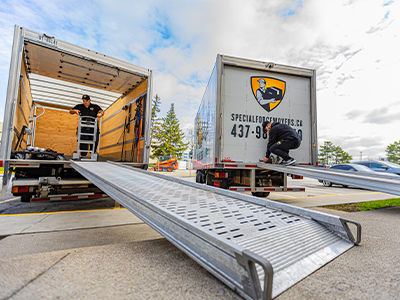
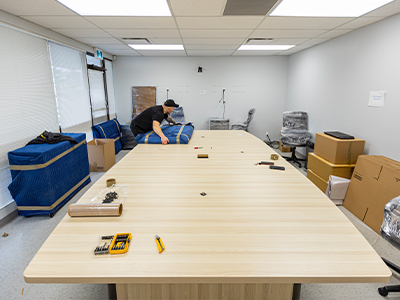






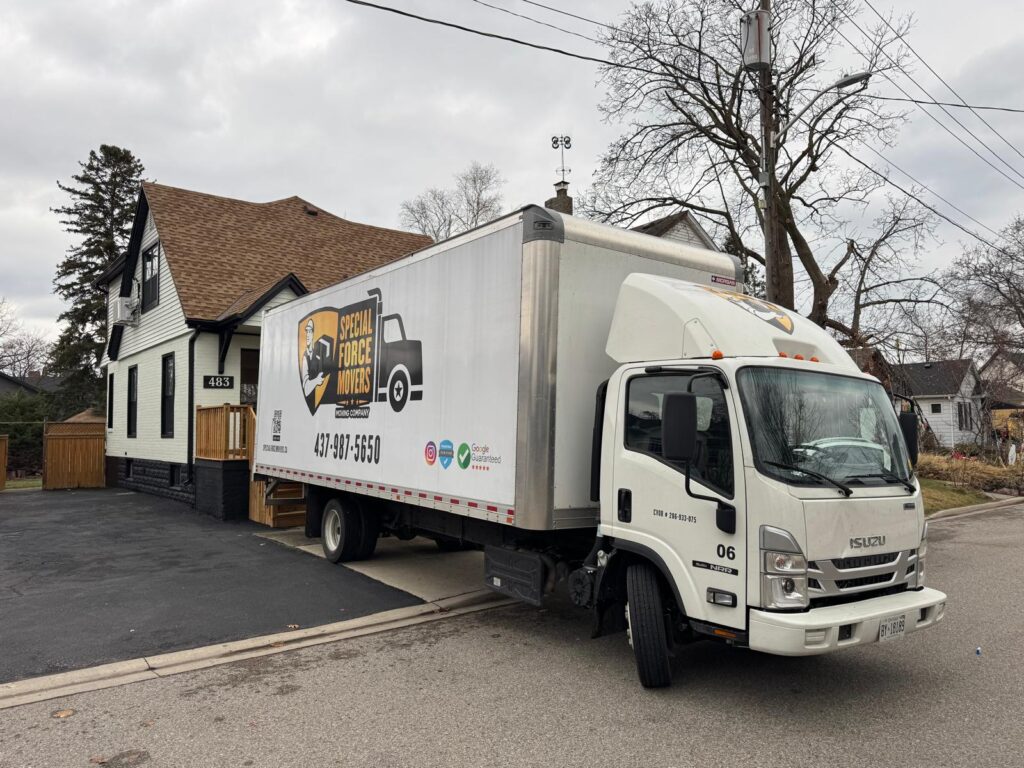
At Special Force Movers, the smoothest moves usually have one clear trait. The customer and crew share the same plan before the truck arrives. That plan does not need to be complicated. It needs to provide the moving team with the right information, the right access, and enough time to properly protect the belongings.These moving tips come from the work our crews handle every week across Ontario. A move can involve a condo building, a detached home, a storage stop, a long-distance route, or a tight closing-day schedule. The details change, but the goal stays the same. Plan the move to protect your time, property, and belongings.Use this guide as a practical moving checklist before you book, pack, and confirm your moving day. It will help you make better decisions before the heavy lifting begins and give your moving crew what they need to do the job well.
1. Choose a Moving Company in Ontario That Looks at the Real Job
A reliable quote should reflect the actual move, not a quick guess based on bedroom count. When you contact a moving company in Ontario, share the size of the home, the number of large items, the amount of packing needed, the access at both addresses, and any items that need extra care. Those details help the company recommend the right crew, truck, timing, and materials.Our team looks at the move from the crew’s point of view. A lightly furnished two-bedroom condo with a reserved elevator can move differently from a smaller apartment with a long carry and unfinished packing. A house with a clear driveway can run more smoothly than a condo with limited loading access. Good planning starts when the quote reflects the work the movers will actually perform.
2. Book the Move Before Your Date Becomes Hard to Manage
Ontario moving schedules can fill up quickly near month-end, on weekends, during holidays, and on summer dates. If your move is tied to a home closing, lease end, elevator booking, or work schedule, early booking gives you more control. It also gives the moving company enough time to plan the crew and equipment around the job.Early booking helps with details that people often leave too late. Condo elevators may need approval. Buildings may require forms or deposits. Some homes need parking arrangements or driveway clearing. Once the date is confirmed, the rest of the move becomes easier to organize.
3. Build the Packing Plan Around How You Want to Unpack
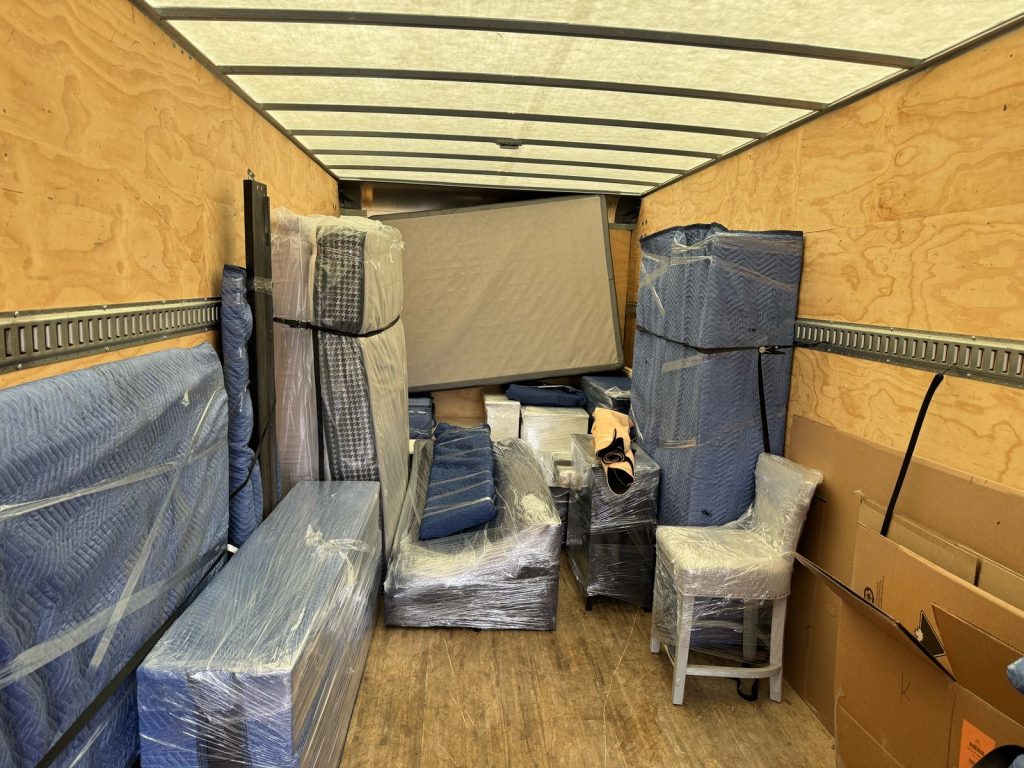
Packing works better when you think beyond getting items into boxes. Pack by the way you want the new space to function. Kitchen items should arrive in a way that makes the first meal easier. Bedroom boxes should help you set up sleeping areas quickly. Bathroom essentials should stay easy to find.Our crews see the difference when boxes have clear labels and a sensible room plan. The move goes faster because movers know where each box belongs at delivery. You also avoid opening ten boxes just to find towels, chargers, bedding, medication, or the coffee maker after a long day.
4. Keep Fragile Items Out of the Last-Minute Rush
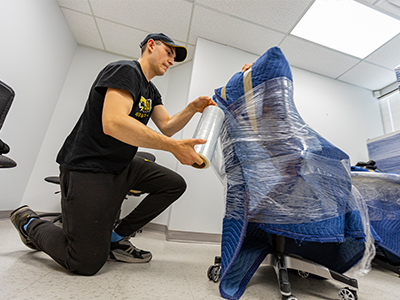
Fragile packing deserves its own time window. Glassware, dishes, mirrors, lamps, artwork, electronics, and sentimental pieces need better materials and a calmer pace. These items should not get packed in a hurry while the movers are already loading furniture.If you want help with fragile packing, tell the crew before the quote. Our team can bring the right boxes, wrapping materials, and protection for delicate pieces. That planning helps the move stay steady and gives fragile items the attention they need before they reach the truck.
5. Treat Access as Part of the Move
Access can change the rhythm of moving day. A truck close to the entrance helps the crew work efficiently. A long carry, a locked service room, a narrow stairwell, or a crowded loading area can add time to the job. This is why we always want access details before the crew arrives.For condos and apartments, confirm the elevator window, loading area, and building rules. For houses, clear the driveway, walkway, porch, and main furniture paths. If the property has stairs, low ceilings, tight turns, or heavy pieces on another floor, mention that during the estimate. These details help the crew prepare without delay.
6. Prepare for Ontario Weather Before It Reaches Moving Day
Ontario weather can change the way a move needs to run. Rain, snow, ice, heat, and wind all affect timing, floor protection, carrying routes, and loading. You do not need to control the weather, but you can prepare the home and the crew for the conditions.In winter, clear snow and ice from walkways before the movers arrive. In rainy weather, protect items that should stay dry and keep entry areas as clear as possible. During hot summer moves, keep water available and avoid leaving delicate items in direct heat. The crew can do better work when the property is ready for the day’s conditions.
7. Separate the Items You Need Right Away
The first night in a new home should not depend on finding the right box by luck. Pack a small group of essentials and keep it with you or load it last with clear instructions. This can include documents, medication, toiletries, chargers, basic tools, pet supplies, a change of clothes, and anything children may need after arrival.This step is simple, but it prevents many moving-day frustrations. Movers can place furniture and boxes where they belong, while you still have immediate access to the items that keep the first evening manageable. A good moving checklist should always include a first-night plan, not only a packing deadline.
8. Tell the Movers About Specialty Items Early
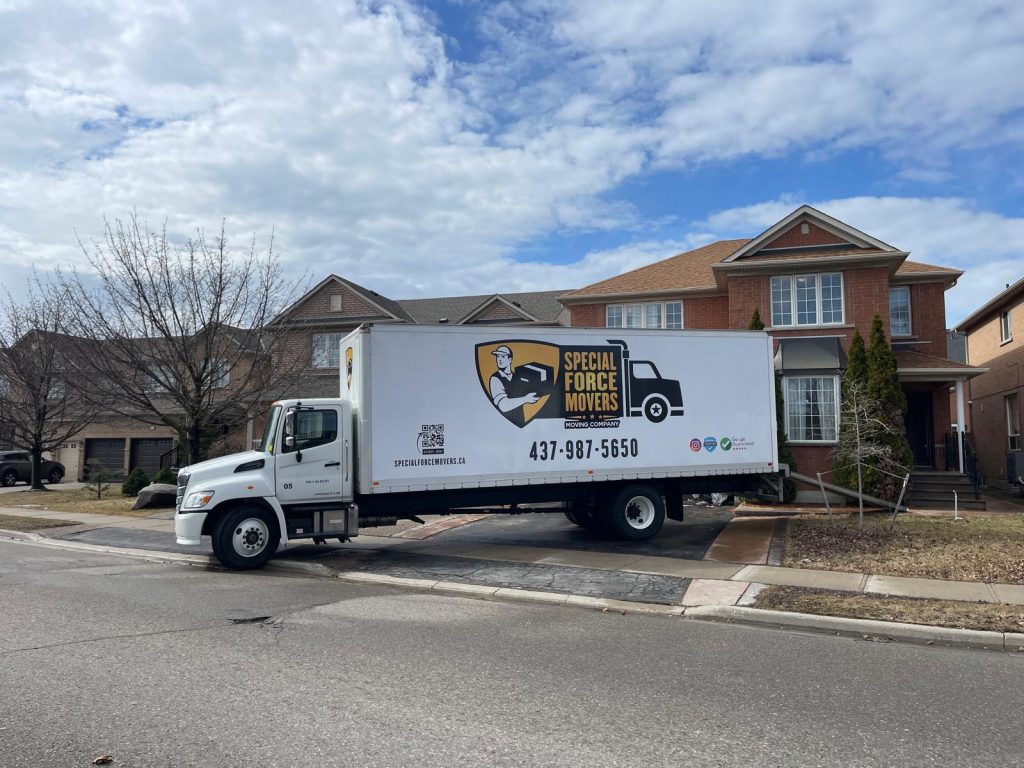
Some items need more than standard lifting. Pianos, safes, oversized mirrors, gym equipment, glass tables, antiques, heavy appliances, large desks, and delicate artwork can change the crew size, tools, and time needed for the move. Mention these items before booking so the quote and plan stay accurate.At Special Force Movers, we plan specialty handling with a focus on protection and safe movement. The crew may need extra materials, more movers, or a different loading order. Early notice helps prevent delays and ensures the item receives better care from the first room to the final placement.
9. Leave Room for the Crew to Work
A home that gives the crew clear space usually moves better. Hallways, stairways, entrances, and main rooms should be wide enough for movers to carry furniture safely. Loose items on the floor slow work and increase the risk of damage.Before the crew arrives, separate anything that should not go on the truck. Keep donation items, disposal items, personal documents, and valuables away from the moving path. This helps the movers focus on the right belongings and keeps the work moving in a safer order.
10. Review the Final Details Before the Truck Leaves
The end of the move deserves the same attention as the beginning. Walk through the old space before the truck leaves. Check closets, cabinets, storage areas, balconies, garages, basements, and utility areas. Small items often remain behind because they are outside the main rooms.At the new address, guide the crew on room placement before unloading begins. Clear labels help, but direct instructions help even more. Once the main items are placed, check that essential furniture, boxes, and fragile pieces reached the right areas. This final review helps close the move cleanly and reduces the need for extra handling later.
A Final Word from Special Force Movers
Stress-free moving comes from preparation that matches the real work. The strongest moving tips are practical, not complicated. Book early, pack with purpose, prepare access, protect fragile items, and share accurate details with your moving crew.Special Force Movers is a moving company in Ontario that helps clients move homes, apartments, condos, offices, storage units, and long-distance belongings with careful planning and trained crews. If you want help building a move plan that fits your property, schedule, and belongings, request a free quote and we will help you prepare the right service for your move.