


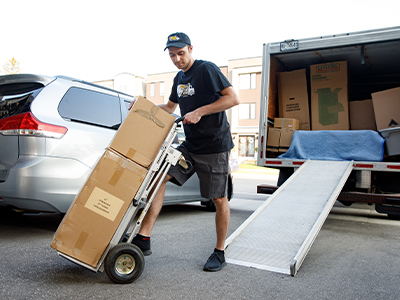
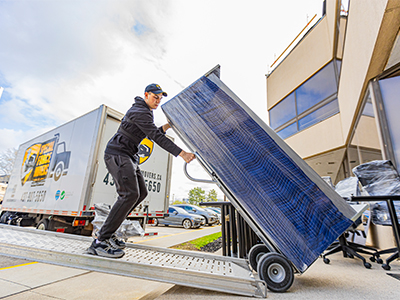

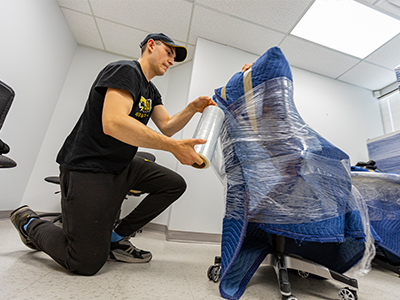

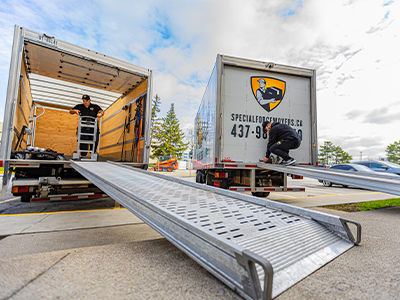

Packing decisions shape the whole move. A home that gets packed well gives the crew a safer load, a cleaner truck setup, and a faster delivery, while rushed packing can add hours, break fragile items, and turn moving day into a sorting project.
At Special Force Movers, we see both sides. Some clients save money by packing most of the home themselves. Others save time, protect delicate belongings, and reduce moving-day pressure by booking professional packing services. The right choice depends on the home, the schedule, the belongings, and the amount of work the customer can realistically finish before the movers arrive.
DIY Packing Can Save Money When You Have Time
DIY packing works well for clients who can start early and keep a steady pace. Clothing, linens, books, toys, office supplies, and many everyday household items do not always need a professional packer. With sturdy boxes, proper tape, and enough packing paper, a careful homeowner can handle a large part of the job.
The savings come from doing the labour yourself. You pay for materials and your own time, not a packing crew. This can make sense for smaller homes, simple apartment moves, student moves, and clients with a flexible schedule. DIY packing also gives you full control over sorting, donating, discarding, and deciding what should travel first.
The problem starts when the plan does not match the calendar. Packing a full kitchen after work takes longer than people expect. Storage rooms take patience. Closets hide more volume than they seem to hold. If the movers arrive and loose items still cover counters, floors, and furniture, the move can slow down, and the cost can shift back into labour time.
Professional Packing Saves Time in the Hardest Rooms
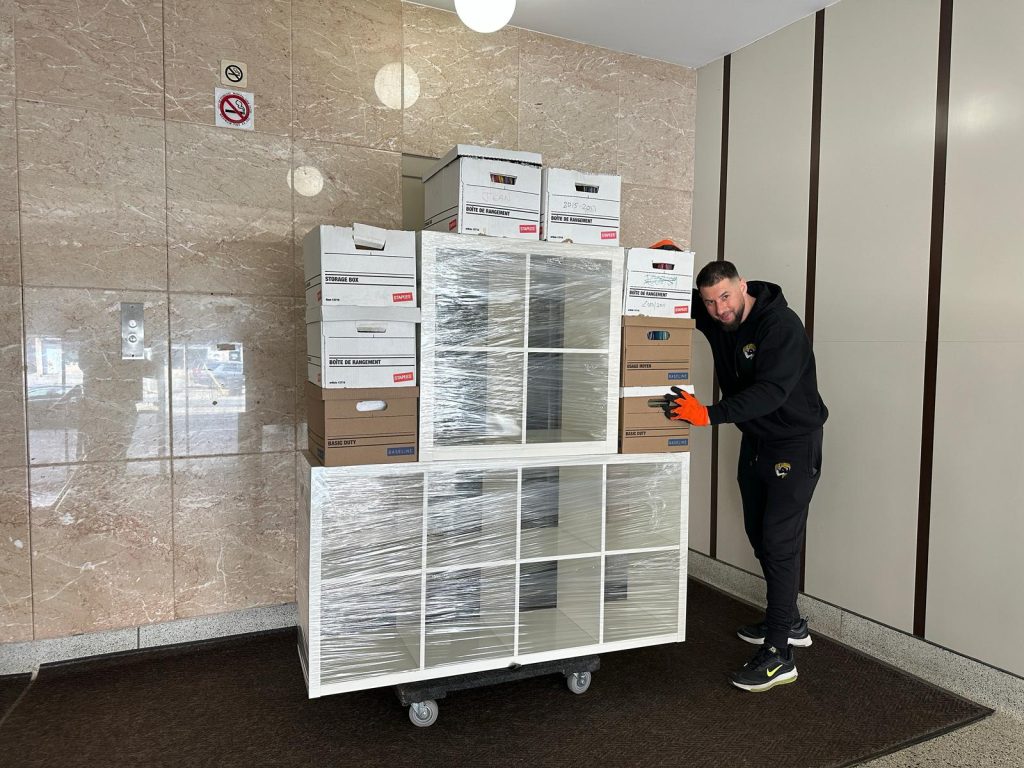
A professional crew usually brings the greatest value in rooms with fragile, dense, or awkward items. Kitchens are a good example. Dishes, glasses, mugs, cookware, pantry items, small appliances, and fragile décor need a lot of wrapping and careful box selection. A few cabinets can take hours for someone packing alone.
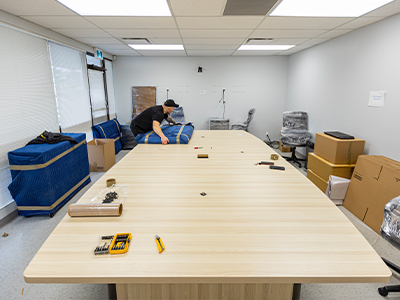
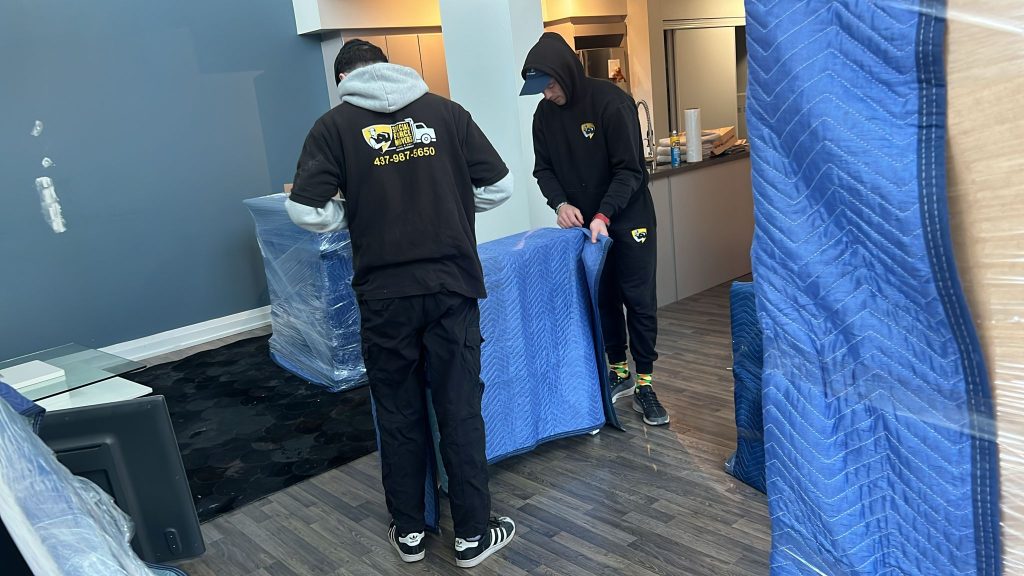
Bedrooms and living rooms can also take more time than expected when the home has mirrors, lamps, artwork, electronics, framed photos, books, décor, and furniture that needs protection. Professional packers work with a method. They group items, protect surfaces, control box weight, and label boxes so the moving crew can load and unload more easily.
Clients who choose professional packing services in Ontario often do it for time, not luxury. A busy family may need the home packed while they handle work, school, or closing details, while a senior move may need careful sorting and calm handling.
The Cheapest Option Can Become Expensive
DIY packing looks cheaper at first because the labour does not appear on the invoice. The hidden cost comes from time, materials, breakage, delays, and stress. A person may spend several evenings packing, buy more supplies than planned, run out of boxes, and still need last-minute help on moving day.
Damage risk also carries a cost. Weak boxes, poor cushioning, overloaded cartons, and unprotected glass can lead to broken items that cost more than the packing labour would have. Some belongings have low replacement value but high personal value, such as family dishes, framed memories, heirlooms, or sentimental gifts.
A moving quote can also change when packing delays the crew. Movers cannot load loose kitchen items, unpacked lamps, open bins, or fragile pieces safely without additional work. If the crew has to stop and pack before loading, the move takes longer. That is often where DIY packing loses the savings customers expected.
Professional Packing Costs More Upfront and Can Save the Day
Professional packing adds labour and materials to the quote. That upfront cost makes some clients hesitate, especially when they already have a full moving bill to manage. The key is to compare the cost against the time saved and the risk reduced, not against zero.
A trained packing crew can complete certain rooms much faster than a homeowner because the materials, rhythm, and decisions are already familiar. They know how to pack dishes without overloading a box, how to protect a mirror, how to keep hardware together, and how to label items for delivery. That speed matters when the move date sits close to a closing date, elevator booking, or lease deadline.
For many clients, full-home packing is not necessary. The better choice can be targeted packing. Let the crew handle the kitchen, glassware, mirrors, artwork, lamps, fragile décor, and delicate electronics. Pack clothing, towels, bedding, and basic household items yourself. This gives you meaningful savings while protecting the items that create the most risk.
The Hybrid Approach Often Wins
The best answer is not always full packing or full DIY. Many moves work best with a shared plan. The customer handles low-risk, familiar items. The moving company handles fragile, awkward, valuable, or time-consuming items. This keeps the budget under control without leaving the hardest packing for the final night.
A hybrid plan also gives the quote more accuracy. The mover can price the rooms or item categories that need support instead of estimating a full-home packing service. This works well for apartments, condos, townhouses, family homes, office moves, storage moves, and long-distance relocations.
At Special Force Movers, we often recommend this approach when the home has a mix of simple and delicate items. Clients who want to save money can pack everyday items themselves and still book professional packing services for fragile pieces. This often gives the best return because the highest-risk items get better protection while the overall packing cost stays reasonable.
Materials Make a Bigger Difference than People Think
Packing quality starts with the materials. Thin boxes, weak tape, loose bags, and old cartons can create trouble before the truck leaves. A box should close flat, hold its shape, and stack without crushing. Tape should support the seams properly. Paper, wrap, and padding should keep items from shifting inside the box.
Professional packers bring the right materials for the job. That can include different box sizes, packing paper, bubble wrap, tape, mattress bags, wardrobe boxes, dish boxes, and protective wrap for delicate surfaces. The value comes from choosing the right material for the item instead of using whatever happens to be nearby.
DIY packers can still get excellent results with the right supplies. Buy more small and medium boxes than large boxes. Use large boxes for lighter items only. Keep heavy items in smaller cartons. Do not mix liquids with paper goods, clothing, or electronics. These simple rules protect belongings and reduce handling problems during loading.
Time Savings Depend on the Home and the Client
Packing speed changes from home to home. A minimalist apartment can come together quickly. A family home with years of storage, children’s items, kitchen supplies, books, seasonal décor, and garage contents takes much longer. The number of bedrooms gives only a rough clue. The real time comes from item volume and decision-making.
People also pack at different speeds. Some clients make quick decisions and stay organized. Others stop often because packing turns into sorting, cleaning, donating, and memory work. That is normal, but it affects the schedule. If you have limited evenings before moving day, DIY packing can become harder than expected.
This is where movers with packing services can protect the timeline. The moving crew can arrive at a home that is actually ready to load, not half ready. That helps the move stay on schedule and reduces pressure on elevator bookings, loading docks, closing times, and delivery plans.
Office and Condo Moves Need More Careful Timing
Packing choices affect more than the boxes. Condo moves often run around elevator windows, concierge rules, and loading access. Office moves often need staff desks, files, equipment, and supplies ready by a certain hour. In both cases, unfinished packing can create expensive delays.
For a condo move, packed boxes help the crew use the elevator window efficiently. For an office move, labels and department grouping help the team restart faster at the new location. Packing is part of the schedule, not a separate side task.
This is a strong reason to consider packing services in Ontario for time-sensitive moves. A few hours of professional help before moving day can protect a booked elevator window, a weekend business relocation, or a tight delivery schedule.
How to Decide What Saves More
DIY packing usually saves more money when the move is simple, the schedule has room, and the belongings are mostly low-risk. It works best for organized clients who can pack early, buy proper materials, and finish before the moving crew arrives.
Professional packing usually saves more time when the home has fragile items, a large kitchen, many rooms, limited preparation time, or strict move-day access. It can also save money indirectly when it prevents damage, reduces delays, and helps the move finish within the planned window.
The strongest decision often comes from dividing the home into three groups. Pack yourself, pack with help, and let the movers pack. That gives the budget a clear structure and keeps delicate or difficult items out of the last-minute rush.
What to Ask Before Booking Packing Help
Before you book packing support, ask what the service includes. Some companies include materials in the packing quote. Others bill materials separately. Ask how fragile items get packed, how boxes get labeled, and how the crew handles items that need disassembly or special protection.
Ask about timing, too. Packing usually needs to happen before moving day or during a planned preparation window. For larger homes, the crew may need a separate day. For smaller jobs, partial packing can happen closer to the move. Clear timing protects both the packing service and the move itself.
Ontario consumers should also ask for written estimates and clear contract details before hiring a mover. A good quote should explain labour, materials, travel, packing scope, HST, and any conditions that can change the final price. Clear paperwork protects the customer and gives the moving company a better plan to follow.
Final Thoughts from Special Force Movers
Packing services and DIY packing can both save money in the right situation. DIY packing gives you cost control when time, materials, and organization are on your side. Professional packing gives you speed, protection, and cleaner moving-day coordination when the move has more pressure or higher-risk items.
Special Force Movers helps clients choose the level of packing support that fits the move. Some clients need a full packing service. Others only need help with fragile items, kitchenware, mirrors, artwork, furniture protection, or storage preparation. The best plan is the one that protects your belongings, respects your budget, and gives moving day a stronger start.