






A long-distance move changes the scale of every decision. Once the truck leaves the first address, the move depends on the strength of the plan, the quality of the packing, the accuracy of the inventory, and the clarity of the delivery schedule.
At Special Force Movers, we plan long-distance relocations as a full route. Pickup is only the first stage. The shipment still needs safe transport, communication during the delivery window, proper arrival access, and careful placement at the final address.
In this guide, we explain how to move long distance with fewer surprises. It focuses on the parts that affect real moves: estimates, inventory, packing, furniture protection, storage, delivery timing, and the details that customers often wish they had handled earlier.
Long-Distance Moving Has a Higher Planning Standard
A local move leaves more room for slight corrections. Long-distance moving requires stronger preparation before the truck is loaded. Once the shipment is on the route, every detail depends on the work done at pickup: the inventory, labels, packing quality, furniture protection, and delivery plan.
A better plan gives the crew fewer decisions to solve under pressure. It also gives the customer a clearer record of what was loaded, how the shipment should arrive, and what needs attention upon delivery.
That is why long-distance moving should begin with facts, not guesses. The mover needs a complete view of the shipment. The customer needs a clear idea of the timeline. Both sides need to know how the belongings will be protected, transported, delivered, and checked at the destination.
Build the Move Around a Real Inventory
The inventory gives a long-distance move its foundation. It tells the mover what needs to be loaded, how much space the shipment needs, and which items require special care. A quick room count is not enough for this type of move because garages, basements, storage lockers, offices, and sheds can change the shipment size quickly.
Photos and videos help when the mover cannot visit the home in person. Walk through each room slowly and include furniture, packed boxes, appliances, outdoor items, storage spaces, and anything that needs disassembly. Large sectionals, wardrobes, glass tables, pianos, heavy gym equipment, and delicate artwork should be mentioned before the quote gets finalized.
A detailed inventory also protects the customer during delivery. It creates a shared record of what left the first address. When the truck arrives at the new home, that record helps the crew and customer confirm the shipment and note any concerns while the delivery is still active.
Read the Estimate Like a Working Plan
A long-distance estimate should show more than a final number. It should explain what the mover will handle, how the price was built, which services are included, and what can change the total. Packing, furniture protection, disassembly, storage, stairs, elevators, shuttle service, long carries, and delivery conditions can all affect the scope.
Good estimates also make comparison easier. One company may include more protection, clearer inventory work, or a more realistic delivery plan. Another may show a lower price while leaving important services vague. The best estimate is the one that explains the work clearly enough for you to make a confident decision.
Book Before the Route Gets Tight
Long-distance moving needs more lead time than a move across town. The company has to coordinate crew availability, truck space, route timing, pickup access, delivery access, and sometimes storage. Busy moving periods can reduce available dates quickly, especially around summer, weekends, holidays, and month-end.
Early booking gives you more control over the schedule. It also gives you time to handle building approvals, elevator reservations, packing help, address changes, travel plans, and utility dates without compressing everything into the final week.
Know What the Delivery Window Means
A long-distance shipment often arrives within a delivery window, not at one exact hour. The route, distance, shipment size, weather, road conditions, and scheduling can affect the final arrival day. A proper delivery window should give you a defined range and a clear communication process.
Ask how updates will reach you once the truck is on the route. Ask who to contact if your closing date changes, your building access changes, or the new home cannot receive the shipment on the expected day. A delivery window works best when you know how the mover handles changes before they happen.
Plan your own travel with the delivery window in mind. Someone authorized should be available to receive the shipment, direct room placement, review the inventory, and note concerns. If the move crosses provinces or covers a long route, avoid planning a schedule so tight that one delay creates a chain reaction.
Pack for Distance and Handling
Packing for long-distance transport needs a stronger standard than packing for a short drive. The boxes travel farther, spend more time in the truck, and need to hold up through loading, transport, and delivery. Box strength, weight control, cushioning, and labels all carry more importance.
One of the most useful tips for long-distance moving is to pack by risk level. Dense items belong in small boxes. Light items can use larger boxes. Fragile items need proper cushioning and clear labels. Liquids, valuables, documents, medication, chargers, and first-week essentials should stay with you instead of going deep into the shipment.
Protect Furniture Before Loading Starts
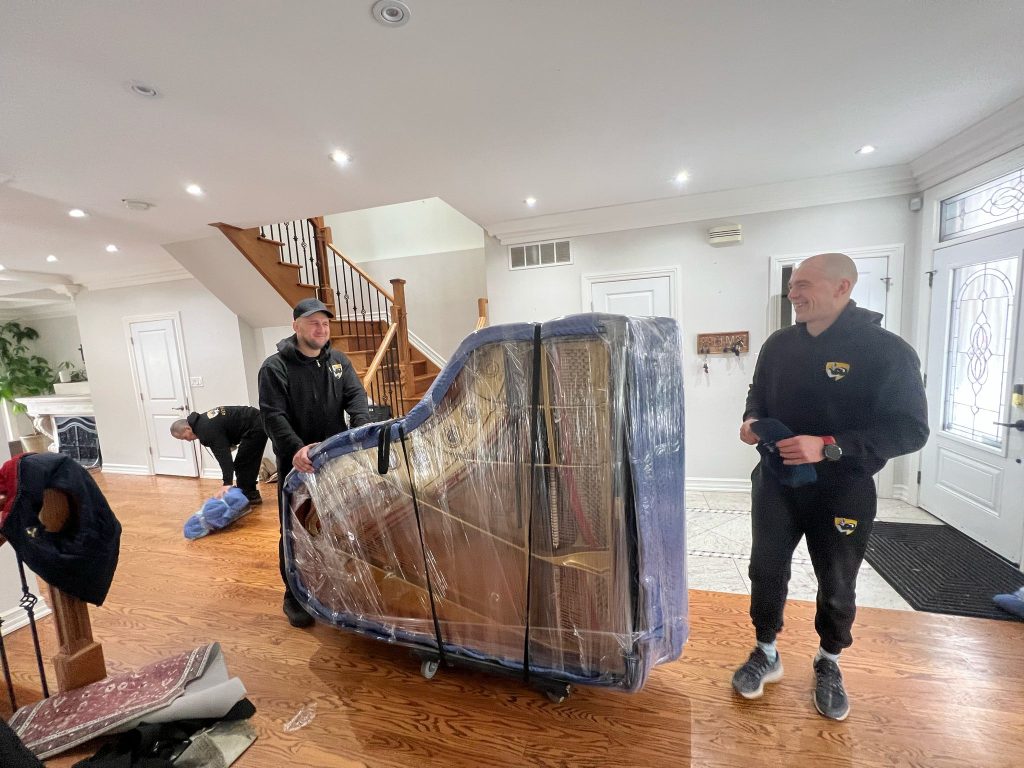
Furniture preparation should happen before the crew begins moving large pieces. Remove shelves that can shift. Keep hardware in labelled bags. Empty furniture that should travel empty. Point out delicate finishes, glass components, stone tops, antique pieces, adjustable beds, and furniture that may need disassembly.
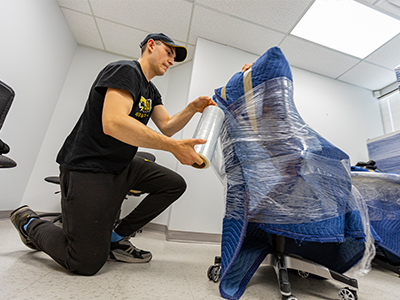
The crew can use blankets, wrap, straps, and careful loading methods, but preparation starts inside the home. Clear the path around larger pieces. Mention tight stair turns, narrow doors, low ceilings, elevators, or long carries before moving day. These details help the movers protect the item and the property.
Keep Personal Essentials With You
Your long-distance shipment should not carry everything you need during the first few days. Keep identification, passports, medication, chargers, valuables, work devices, toiletries, keys, pet supplies, children’s essentials, basic clothing, and important paperwork with you. This gives you control if the delivery window shifts or if you reach the new address before the truck.
A small first-week setup can make arrival much easier. Include bedding, a few kitchen basics, towels, cleaning supplies, and anything needed for work or school. You do not need to unpack the whole home immediately when the essentials stay close.
Plan Storage Before It Becomes Urgent
Storage can help when the pickup date and delivery date do not line up. It can also help when the destination needs repairs, cleaning, renovation work, or time before receiving the full shipment. The storage plan should be part of the quote, not a last-minute adjustment.
Storage changes how items should be packed and loaded. Boxes may need stronger labels. Furniture may need protection for time, not only transport. Items needed right away should stay separate from items that can wait. Ask how storage affects labour, timing, materials, delivery, and cost before the shipment leaves.
Review Valuation and Claims Before Pickup
Valuation deserves attention before the first item enters the truck. It is not the same as regular home insurance, and the details can vary by mover and service option. Ask what protection applies, what exclusions exist, how high-value items should be documented, and what the claims process requires.
Photos help create a useful record. Take pictures of furniture, electronics, appliances, artwork, fragile pieces, and items with existing marks. Keep receipts or appraisals for pieces that would be difficult to value later. Clear records support a smoother review if a concern appears after delivery.
Prevention still comes first. Tell the mover about fragile, high-value, oversized, or unusually sensitive items before pickup. A crew can plan protection more effectively when those details are part of the move plan instead of a surprise at the door.
Prepare the Pickup Like the Start of Transport
Pickup day should focus on safe loading. Loose sorting should already be finished. Owner-packed boxes should close properly and show clear labels. Items that are not moving should stay away from the loading path. Personal essentials should remain separate from the shipment.
Access deserves attention too. Clear driveways, walkways, stair paths, elevator routes, loading areas, and storage spaces before the crew arrives. A clean pickup helps the crew load in a better order and gives the whole route a stronger start.
Stay Available While the Shipment Is on the Route
Communication still matters after loading. Keep your phone available and respond to updates. Tell the mover quickly if delivery access changes, if your closing time shifts, or if the receiving building adds new instructions.
Long-distance moves run better when small changes get shared early. A new parking limit, elevator rule, or arrival constraint can affect delivery. The mover has more room to adjust when the information arrives before the truck reaches the destination.
Check the Shipment Carefully at Delivery
Delivery is more than unloading. Use the inventory to check what arrives. Direct the crew before items start entering the home. Room placement goes faster when the mover knows the plan before the truck opens.
Take time to look at furniture, boxes, appliances, and fragile items while the crew is still there. If the mover uses inventory tags or a check-off process, follow it carefully. Notes made during delivery carry more value than memory after the day ends.
What We Tell Clients Before a Long-Distance Move
Learning how to plan a long-distance move starts with giving the move enough structure. Build the inventory, ask for a clear estimate, confirm the delivery window, pack for longer handling, and keep essentials with you. These steps protect the schedule and reduce avoidable stress.
If you are preparing for a long route, start with the facts of your move. Build the inventory. Ask for a written estimate. Confirm the delivery window. Keep essentials with you. Choose a mover who explains the process clearly and gives you a plan that matches the shipment.
At Special Force Movers, we help clients prepare long-distance relocations with careful planning, packing support, furniture protection, loading, transport, storage coordination, and final placement. We focus on the details that affect the move in real life: inventory, access, timing, protection, and communication.