




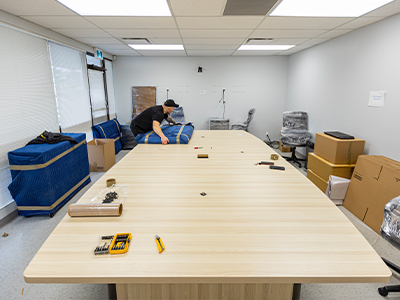






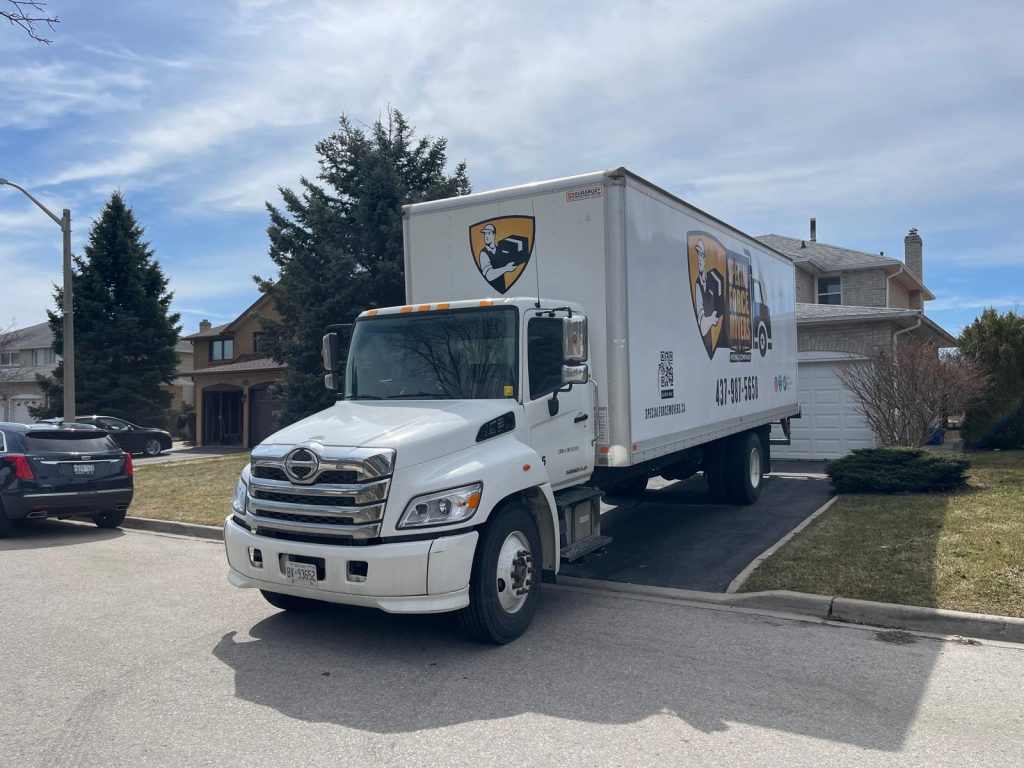
Home size gives only part of the picture when we plan a move. The route from each room to the truck often tells us more. An apartment may have fewer belongings but require a long carry through shared areas. A house may offer direct truck access while holding years of belongings across several levels.From the moving crew’s side, these properties create different kinds of work. Apartment moves depend heavily on building coordination. House moves demand a complete view of the property, including spaces that people do not use every day. The preparation should reflect those differences before packing begins.Special Force Movers handles both types of relocation across Ontario. This guide explains how the property changes the moving plan, where delays usually develop, and how to prepare the belongings and access without repeating the same generic advice for every home.
The Carrying Route Shapes the Move
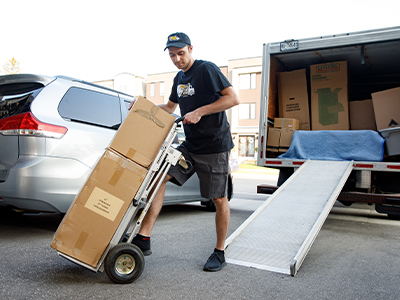
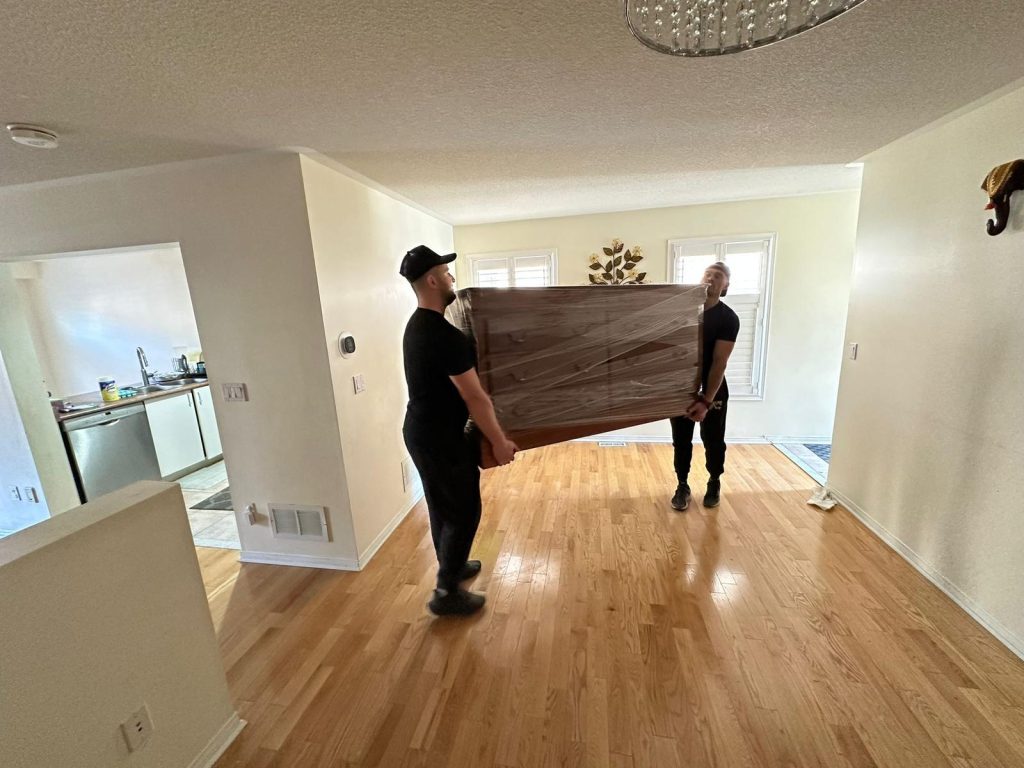 The distance from the front door to the truck affects the pace of an apartment move. A crew may cross a corridor, wait for an elevator, travel through a lobby, and reach a loading area before completing one trip. The unit itself can be compact while the carrying route adds considerable labour.House access tends to concentrate the work inside the property. Furniture may travel from an upper bedroom or basement before reaching the main exit. Once it reaches the door, a clear driveway can make loading efficient. A narrow staircase or side entrance can shift that balance, which is why we review the whole route instead of making assumptions from the property label.
Shared Building Access Changes the Clock
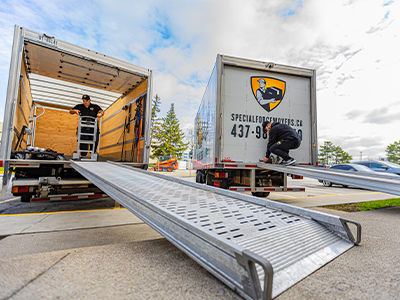
Apartment residents usually need to coordinate with building management before selecting the final moving time. Condo rules can govern service elevator reservations, loading access, protective padding, deposits, move hours, and documents required from the mover. Rental buildings may use a simpler process, though the superintendent or property manager can still control access.The booked window deserves close attention. Packing should finish before that time begins because the crew needs the full reservation for moving belongings. Using the first hour to seal boxes or decide what stays can leave too little time for the elevator work, especially when the loading area is far from the unit.Walk-up apartments create a separate challenge. The crew does not wait for an elevator, but every item travels through the stairs. Large furniture needs an exit plan that accounts for turns, ceiling height, railings, and landing space. Photos of the staircase can help the mover prepare more accurately before arrival.
A House Inventory Extends Beyond the Main Rooms
House estimates become inaccurate when the conversation covers bedrooms and living areas but leaves out the rest of the property. Basements and garages often contain a meaningful part of the shipment. Outdoor storage can add another group of belongings that need cleaning, packing, or disassembly before loading.We recommend walking the property in the same order the movers will clear it. Open built-in cupboards, check utility rooms, and review outdoor areas. This is especially useful for homes occupied for many years, where stored belongings have gradually spread beyond the rooms used every day.A complete inventory also reveals items that need separate preparation. A basement freezer may require defrosting. Workshop equipment may need secure packing. Patio furniture may need cleaning before it enters the truck. These details influence the time, equipment, and truck capacity more than the bedroom count suggests.
Furniture Needs a Proper Exit Plan
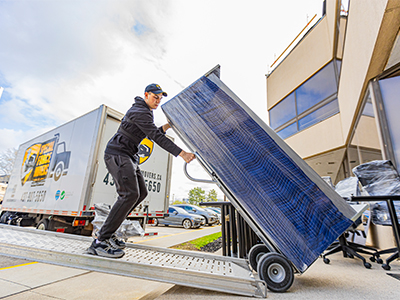
Apartment furniture has to fit the building route. A sectional that entered in separate modules may need to come apart again. Bed frames and desks often require disassembly before they can pass through the unit door or service elevator. Measuring the largest pieces against the narrowest point prevents last-minute decisions in a shared hallway.House furniture presents different access questions. Upper-floor pieces may need to move through stair turns, while basement furniture can face low ceilings or narrow exits. Some houses also have additions or converted rooms where large pieces arrived before later renovations changed the pathway.Tell the moving company how each oversized piece entered the property if the route is unusual. Photos and measurements can reveal when doors, legs, shelves, or modular sections need removal. That preparation protects the furniture and avoids unnecessary pressure on walls, railings, and door frames.
Packing Should Follow the Moving Route
Apartment packing needs to support steady movement through the building. Boxes should close flat and remain easy to stack on dollies. Loose bags and open containers slow the trip between the unit and loading area because they require extra handling and do not stack well.Keep storage locker contents in the same plan as the apartment. Locker items should be packed before moving day and included in the estimate. If the locker is on another level, the crew needs to account for that route while the elevator remains available.House packing benefits from a clear room sequence. Start in areas with less daily use, then move toward the rooms needed until the final days. Keep boxes close to their original rooms instead of creating one large pile in the garage. The crew can then clear the property systematically and load items according to weight, fragility, and delivery order.
Crew Size and Timing
A strict apartment reservation can make a larger crew more efficient. Additional movers can keep belongings flowing between the unit, elevator, and truck without leaving one stage unattended. The higher hourly rate may produce a better result when the building gives the crew a limited period to complete the work.House moves often give the crew more control over the day, yet the total inventory can require more labour and truck space. A smaller crew may extend the move late into the evening. Extra movers can shorten the carrying time, especially in homes with several floors or a large volume of furniture.The quote should explain why a particular crew size fits the job. Apartment access and house volume lead to different recommendations. Choosing the fewest movers by default can increase total hours and place more strain on the crew.
Move-Out Responsibilities Shape the Final Hour
Apartment residents should review their lease or condo procedures before moving day. The building may require returned elevator keys, fobs, parking passes, or completed move-out forms. The unit may also need cleaning and a condition review after the belongings leave.House handover follows the closing or rental agreement. The final review should include rooms that received little attention during loading, such as utility spaces and outdoor storage. Keys, remotes, appliance manuals, and items intended for the next resident should remain separate from the shipment.Plan enough time for this work after the truck is loaded. A tightly scheduled departure can make the final inspection feel rushed. Completing the handover properly avoids return trips and gives the next occupant a cleaner start.
Property Protection
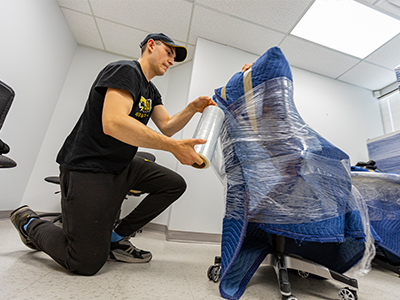
Apartment protection extends beyond the unit. Furniture travels through common areas used by other residents, so walls, doors, floors, and elevator interiors need careful handling. Building management may install elevator padding, while the moving crew handles protection around the furniture and the route.House protection covers a wider private area. Floor runners may need to follow the path from several rooms to the exit. Stairs and railings deserve close attention when large pieces come down from upper levels. Seasonal conditions can add snow, rain, or mud to the route between the house and truck.Protection should match the surface and the work. Hardwood, tile, carpet, stone, and finished stairs respond differently to weight and moisture. Let the mover know about recently refinished floors or particularly delicate surfaces before the service plan is finalized.
Compare Quotes With Real Access Included
A mover needs more than the addresses and bedroom count to prepare a reliable estimate. For an apartment, share the floor number, elevator booking, carrying distance, parking arrangement, and loading instructions. For a house, include all levels of the property, storage areas, driveway access, and oversized items.Written estimates should show the service scope clearly. Review crew size, vehicle requirements, packing support, travel, materials, and any conditions that could change the total. Ask how the company handles items packed by the customer and what protection applies if something gets damaged.The lowest hourly rate does not always produce the lowest final bill. A realistic quote should account for the way the property will be moved, not an ideal version of the job. Detailed information gives the mover a better foundation and gives you a fairer comparison.
The Final Two Days Should Feel Different
Apartment preparation should shift toward access confirmation. Check the elevator reservation, speak with building management, and verify where the truck can load. Keep fobs, keys, booking confirmations, and building contacts somewhere easy to reach during the move.At a house, the last two days should focus on the edges of the property. Finish the garage and outdoor spaces, clear the driveway, and confirm that disconnected appliances are ready. Keep anything staying with the property away from the moving path.At both homes, separate personal documents, medication, valuables, and items needed immediately after arrival. Once the crew begins loading, these belongings should remain clearly outside the shipment.
Preparing for the New Property
Delivery planning needs the same attention as pickup. Moving from an apartment into a house changes how boxes should be labelled because the new home may have more rooms and levels. Furniture placement should be decided before unloading begins, especially for pieces going upstairs or into a basement.Moving from a house into an apartment often requires firmer decisions about volume. Measure the new space before sending every piece. Storage can help when selected belongings need more time, though it should form part of the quote and loading plan from the beginning.Give the movers a simple destination plan when the layouts differ substantially. Clear room names and early placement instructions reduce later rearranging and help the crew complete the delivery efficiently.
Apartment Moving Checklist
 Apartment moves depend heavily on building access and timing. Complete the steps below before moving day so the crew can use the elevator reservation efficiently and move through shared areas without preventable delays.
Several Weeks Before the Move
- Confirm the moving date with the property manager, landlord, or condominium management.
- Reserve the service elevator at both the pickup and delivery buildings.
- Ask for written building rules covering move hours, elevator padding, deposits, insurance documents, and loading access.
- Confirm where the moving truck can park and how far the crew must carry items.
- Check the height restrictions for underground loading areas.
- Include the storage locker, balcony, parking space, and bicycle room in the moving inventory.
- Measure large furniture against the unit door, elevator, corridor, and loading-area entrances.
- Tell the mover about narrow stairs, long hallways, limited elevator time, or restricted truck access.
- Arrange packing support early if the apartment contains fragile items or the elevator window leaves little room for unfinished work.
During Packing
- Use boxes that close flat and stack safely on moving dollies.
- Keep dense belongings in smaller boxes so the crew can carry them through hallways and elevators safely.
- Label each box with the destination room and any handling instructions.
- Pack storage locker contents with the main apartment, rather than leaving them until moving day.
- Separate items that belong to the landlord or building.
- Remove wall-mounted televisions, shelves, mirrors, and artwork before the moving window begins.
- Prepare furniture that needs disassembly to fit through the apartment route.
- Keep elevator keys, fobs, building contacts, and booking confirmations outside the moving load.
During the Final Two Days
- Confirm the service elevator reservation with building management.
- Verify that elevator padding and loading-area access will be ready.
- Check the truck parking arrangement and posted street restrictions.
- Finish all packing before the crew’s scheduled arrival.
- Clear the route from the unit to the elevator.
- Remove loose items from corridors and shared areas.
- Set aside medication, documents, valuables, chargers, and first-night supplies.
- Confirm access at the new building again, especially if a concierge or security desk controls entry.
On Moving Day
- Meet the crew at the approved entrance and provide access instructions.
- Keep the elevator reservation details available throughout the move.
- Ask the crew to protect furniture before it enters shared areas.
- Keep apartment doors and required access points available without blocking other residents.
- Check the unit, storage locker, balcony, closets, and cabinets before the truck leaves.
- Return keys, fobs, elevator controls, or parking passes as required.
- Complete any building condition review or move-out sign-off.
- Direct room placement at the destination before unloading begins.
A complete apartment moving checklist should reflect the procedures of both buildings. Confirm the rules separately because the pickup and destination may use different elevator schedules, deposits, parking arrangements, and access routes.
House Moving Checklist
House moves require a complete review of the property. Main rooms rarely represent the full shipment, so preparation should include storage areas, outdoor belongings, appliances, and the final handover of the home.
Several Weeks Before the Move
- Create an inventory for every floor of the house.
- Review the basement, garage, attic, shed, crawl space, utility room, and outdoor storage.
- Decide which furniture will move, stay, go into storage, or leave before moving day.
- Identify items that need disassembly, specialty handling, or additional protection.
- Measure oversized furniture against stair turns, doors, hallways, and the destination rooms.
- Tell the mover about pianos, safes, gym equipment, workshop tools, large appliances, and fragile pieces.
- Confirm that the moving truck can use the driveway or park safely near the property.
- Arrange professional disconnection for gas appliances, built-in appliances, or other items requiring qualified trade work.
- Schedule any storage stop or staged delivery before the quote is finalized.
During Packing
- Pack by room and keep boxes near the areas they came from.
- Use smaller cartons for books, tools, files, dishes, and other dense belongings.
- Label boxes with the destination room, floor, and handling notes.
- Keep hardware from beds, tables, shelving, and other furniture in labelled bags.
- Clean and prepare patio furniture, garden equipment, and outdoor belongings before packing.
- Drain and prepare appliances according to manufacturer instructions.
- Keep liquids, hazardous materials, propane tanks, and other restricted items outside the moving shipment.
- Separate belongings that will remain with the property.
- Finish garages and basements early because these areas often take longer than expected.
During the Final Two Days
- Clear the driveway and the main carrying route.
- Remove snow, ice, mud, or other hazards from exterior paths.
- Protect recently refinished or delicate flooring.
- Confirm that appliances are empty, dry, disconnected, and ready for transport.
- Finish packing utility areas, sheds, outdoor storage, and infrequently used rooms.
- Keep keys, garage remotes, appliance manuals, and items for the next resident separate.
- Set aside personal documents, medication, valuables, work devices, and first-night belongings.
- Confirm utility transfer dates and access at the new property.
On Moving Day
- Walk the crew through the house and identify items needing extra care.
- Point out furniture that requires disassembly or a specific exit route.
- Keep children and pets away from the main carrying paths.
- Confirm which belongings go to the new home, storage, or another destination.
- Review every room after loading.
- Check closets, cupboards, basement areas, garage shelving, the shed, and outdoor spaces.
- Record final meter readings when required.
- Close and secure windows, exterior doors, garage doors, and gates.
- Leave keys, remotes, manuals, and agreed items in the designated location.
- Guide the crew on furniture placement at the new house before unloading.
A thorough house moving checklist should cover the entire property, including areas outside the main living space. This prevents forgotten belongings, inaccurate estimates, and late additions that can affect truck capacity or moving time.
Let the Property Shape the Move
Apartment and house moves place pressure in different parts of the job. In an apartment, access controls the pace. In a house, the full property controls the scope. The plan should reflect those realities before the crew arrives, while there is still time to solve access issues, measure furniture, finish overlooked rooms, and confirm the right crew and truck.Special Force Movers plans around those details because they affect crew size, truck space, protection, and timing. A clear picture of the property helps the crew build a better loading plan and place belongings more efficiently at the new address. If you need help with your move, contact Special Force Movers.