











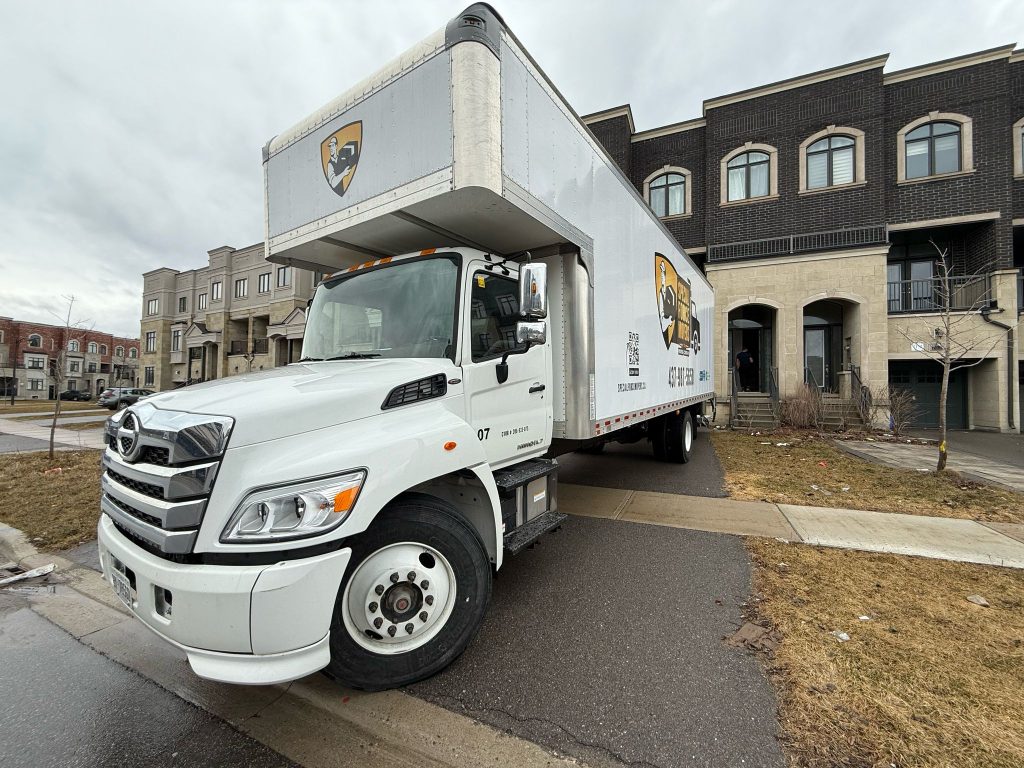
Toronto moving prices can feel hard to compare because two moves with the same number of bedrooms can land at very different totals. A 1-bedroom condo near the elevator with packed boxes and a reserved loading area can move quickly. A similar unit with a storage locker, long hallway access, loose items, and shared elevator time can take much longer.At Special Force Movers, we look at a move the way a moving crew does. Home type matters, but access, preparation, furniture size, packing support, and timing often matter more. This guide explains the cost of moving in Toronto in practical terms, with real examples by home type and clear notes on what can increase or lower your final price.
What Toronto Moving Costs Usually Include
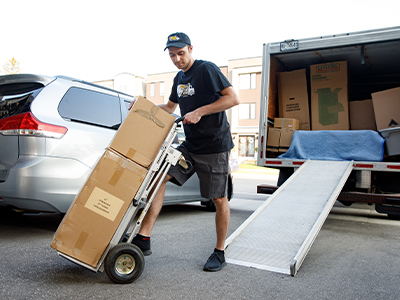
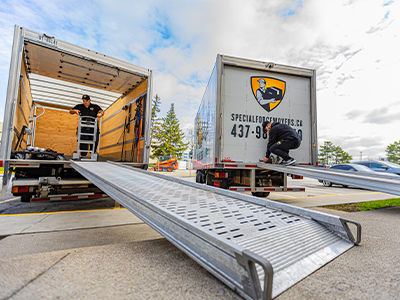
Most local residential moves in Toronto use hourly pricing. That rate usually covers the movers, the truck, basic moving equipment, moving blankets, dollies, and standard loading support. A small studio may need two movers. A larger home or townhouse may require three or four movers to ensure the work proceeds safely and efficiently. A bigger crew costs more per hour, but it can reduce total hours when the move has stairs, heavy furniture, or many boxes.For 2026 planning, many Toronto local moves fall into these working ranges before tax: two movers and one truck can often land around $140 to $180 per hour, a truck and three movers can run around $190 to $250 per hour, and larger crews can move higher depending on truck size, labour needs, and service scope. Some companies quote slightly below or above those ranges, so the real question is not only the hourly rate. You need to know what the rate includes.Most movers also use a minimum booking window. For a small move, that can matter. A studio move might finish in less time than the minimum, but the minimum still applies. That is why the lowest possible invoice may still start around several hundred dollars once labour, truck time, travel, and tax enter the picture.
Real Cost Examples by Home Type
The table below gives realistic planning ranges for local Toronto moves before the Harmonized Sales Tax (HST). These examples assume regular household goods, one truck, standard moving equipment, and no major surprises. Your quote may change if you need packing, storage, specialty-item handling, extra travel, or a larger crew.
| Home Type | Typical Crew | Typical Time | Estimated Cost Before HST |
| Studio or bachelor condo | 2 movers | 3 to 4 hours | $480 to $850 |
| 1-bedroom condo or apartment | 2 movers | 4 to 5.5 hours | $650 to $1,200 |
| 2-bedroom condo or apartment | 3 movers | 5 to 7 hours | $1,000 to $1,850 |
| 2-bedroom townhouse | 3 movers | 6 to 8 hours | $1,250 to $2,100 |
| 3-bedroom house | 3 to 4 movers | 7 to 10 hours | $1,700 to $3,400 |
| 4-bedroom detached home | 4 movers or more | 9 to 12 hours | $2,700 to $5,000 |
These ranges help answer how much does moving cost in Toronto, but they should never replace a proper estimate. A detailed inventory always gives a better answer. Photos, a virtual walk-through, or a room-by-room item list help the mover choose the right crew and truck.The biggest mistake people make is comparing home types alone. A lightly furnished larger unit can cost less than a packed smaller one with a storage locker and difficult access. A small townhouse can take longer than a larger condo if every item has to move through tight stairs.
Studio and 1-Bedroom Toronto Moves
A studio or 1-bedroom move can look simple from the outside, yet Toronto access can quickly change the final bill. A well-packed studio with elevator access, a clear loading area, and a short route may stay near the lower end of the range. Add a storage locker, a narrow hallway, underground parking restrictions, or an elevator delay, and the crew spends more time walking than moving furniture.A typical 1-bedroom condo or apartment in Toronto often needs two movers and one truck. The move usually works best when the elevator is booked, the building has approved the moving time, and the boxes are sealed before the crew arrives. If the movers also pack the kitchen, wrap fragile pieces, or disassemble furniture, expect the total to rise.Our strongest advice for smaller Toronto moves is simple: prepare the building details early. Ask the concierge or property manager about elevator times, padding requirements, loading dock access, and move-in paperwork. A small move becomes expensive when the crew loses time waiting for access.
2-Bedroom Condos and Apartments
A 2-bedroom condo often requires three movers, especially if the unit includes dining furniture, a sectional sofa, office equipment, wardrobes, balcony items, and a storage locker. Three movers can cost more per hour, but they often save time because one mover can manage the truck while two keep items moving through the building.This type of move often lands between $1,000 and $1,850 before HST in regular conditions. That range assumes decent access and a manageable inventory. A larger condo with many fragile items, artwork, glass furniture, or a second pickup can move above that range. For clients asking about moving cost in Toronto, a move of this size is where preparation starts to make a noticeable differencePack room by room. Label boxes clearly. Move small loose items into sealed cartons. Take apart beds and desks in advance if you feel comfortable doing so. Those steps can reduce labour time without cutting corners.
Townhouse Moving Costs in Toronto
Townhouses bring a different kind of labour. The truck may park close to the door, but stairs can add time to every item. Beds, dressers, sofas, and boxes may need to be moved across multiple levels before they reach the truck. That is why a townhouse of the same size can cost more than a similarly sized condo with good elevator access. A 2-bedroom townhouse in Toronto often falls around $1,250 to $2,100 before HST. The range depends on the number of floors, furniture size, basement contents, garage items, patio pieces, and packing status. The crew might need additional time or assistance if there are tight stair turns or heavy objects.Our crew usually pays close attention to stair protection and furniture wrapping on townhouse moves. It is cheaper to take a few extra minutes to wrap, pad, and plan the carry path than to risk damage to walls, railings, or furniture corners.
3-Bedroom and 4-Bedroom House Moves
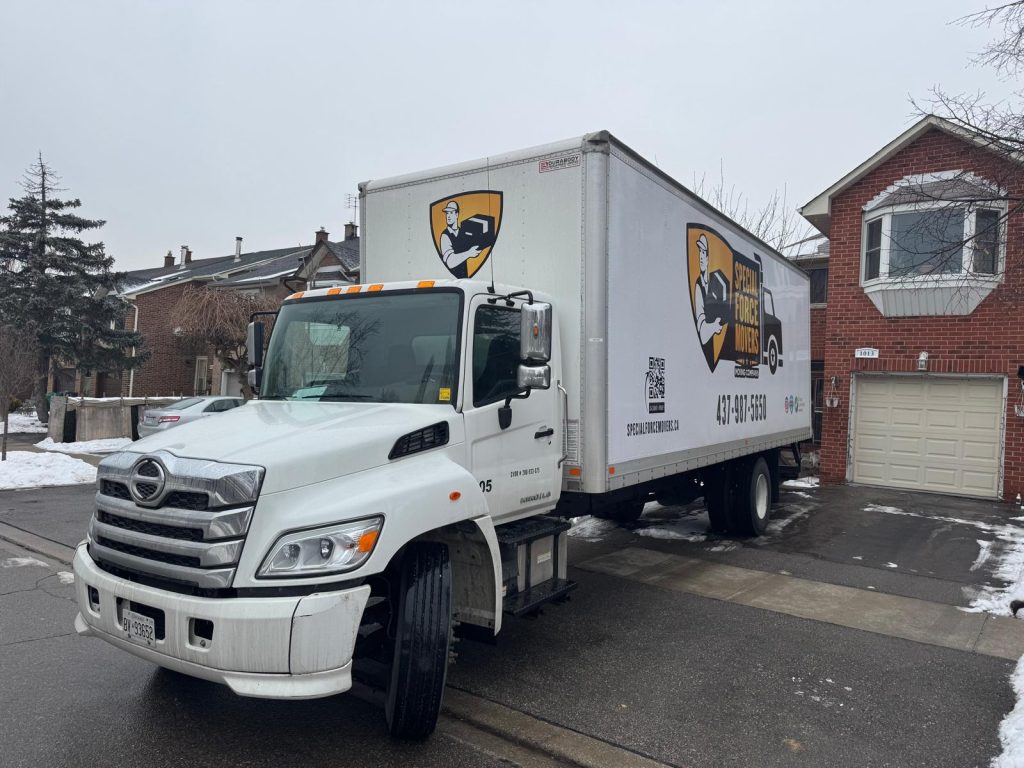 A 3-bedroom house usually needs a larger crew, more truck space, and a longer workday. Basements, garages, kids’ rooms, outdoor furniture, office setups, and storage areas can add a lot of items beyond the main rooms. A well-prepared 3-bedroom home may finish within a day. A packed home with full packing support or heavy items can take longer.A 3-bedroom local Toronto house move often lands around $1,700 to $3,400 before HST. A 4-bedroom detached home can reach $2,700 to $5,000 or more, especially with oversized furniture, several floors, fragile items, full packing, or multiple trucks. Larger homes should never get priced only by bedroom count. The inventory matters too much.The best estimates for larger homes come from a walk-through. We look for large items, tight turns, outdoor access, basement stairs, specialty pieces, and items that need disassembly. That allows us to recommend the right crew size, rather than sending too few movers and stretching the job all day.
Toronto Condo Access Can Change the Price
Toronto condo moves come with rules that can affect timing. Many buildings require a service elevator booking, a damage deposit, specific moving hours, and protective padding in shared areas. Some buildings offer an easy loading dock. Others require long carries through parking levels or service corridors.If a move runs outside the elevator booking window, the building may stop the move or delay the crew. That extra time can affect your invoice. Therefore, we ask clients to verify elevator window access, loading dock regulations, and necessary building documentation prior to their scheduled move date.Parking also matters. The move will be quicker if the truck can park near the entrance. If the crew needs to walk across a garage, down a ramp, or along a long corridor, every trip adds time. For some streets, temporary parking arrangements may help, but the rules vary by location and permit availability.
Extra Costs That Can Affect Your Total
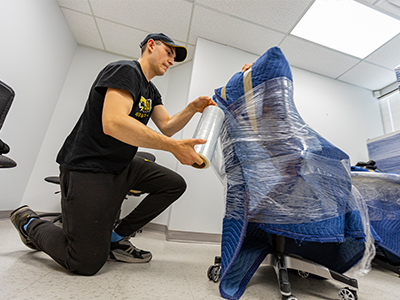
Packing is one of the most common add-ons. Some clients only need materials. Others want a full packing service. Full packing increases the total, but it can save time, reduce the risk of breakage, and make the move easier for busy families, seniors, and clients with fragile belongings.Specialty items can also change the quote. Pianos, safes, antiques, oversized mirrors, glass tables, gym equipment, large appliances, and heavy office equipment may need extra movers, special tools, or additional protection. Tell your mover about these pieces before the estimate. Surprises on moving day create cost pressure and scheduling problems.Taxes and access costs also belong in your budget. Ontario HST is 13 percent. Toronto parking permits or street occupation permits may apply in some cases, especially when parking access is limited or a container, bin, or other equipment occupies public space. Your mover may not control those charges, but good planning can help you avoid last-minute issues.
How to Reduce Your Moving Costs Without Taking Risks
 The best way to lower your Toronto moving bill is to reduce wasted labour time. Pack before the crew arrives. Label boxes by room. Keep hallways clear. Move small loose items into boxes. Separate items that are not going on the truck. Confirm elevator times and parking access in advance.Crew size also matters. A smaller crew is not always cheaper. If three movers finish a job faster and more safely than two movers, the larger crew may offer better value. The right crew depends on the home type, item volume, access, and time limits.The move date can influence price and availability. Month-end, weekends, summer, and the first days of the month usually fill up faster. If your schedule allows a midweek move outside peak periods, you may have more booking options and a smoother experience.
How to Compare Toronto Moving Quotes
A proper quote should explain the crew size, truck count, hourly rate, minimum hours, time on the road, packing options, materials, insurance, and taxes. If a mover gives a number without asking about elevators, stairs, parking, home size, specialty items, and packing needs, treat that number as a rough guess.Ask what happens if the move takes longer than expected. Ask how fragile items get protected. Ask if furniture disassembly is included. Ask about mattress bags, wardrobe boxes, TV protection, and storage stops. These questions help you compare real value instead of comparing a single hourly rate.Special Force Movers prepares quotes for the move itself. We look at the property, access, belongings, and support needed. That approach gives clients a clearer view of the cost of moving in Toronto before the crew arrives.
Planning Your Toronto Moving Budget in 2026
A practical Toronto moving budget starts with the home type, then adjusts for access, packing, stairs, parking, timing, specialty items, and distance. A small condo move can stay under $1,000 before tax in the right conditions. A larger house move can cost several thousand dollars once labour, truck time, packing, and access challenges are factored in.The most accurate answer to how much does moving cost in Toronto comes from a detailed quote. Share your inventory, photos, building rules, and timing early. That gives the mover enough information to recommend the right crew and avoid a rushed estimate.If you are planning a move in Toronto in 2026, Special Force Movers can help you price the job with practical detail. Tell us about your home, access, furniture, packing needs, and move date. We will prepare a quote that reflects the work required and the level of service you need.