









Toronto condo moves work best when the building plan and the moving plan line up before the crew arrives. The elevator window, loading area, packing status, and building rules all shape how smoothly the move runs. When those details are ready, the crew can protect the property, load faster, and keep the day more controlled.At Special Force Movers, we treat condo access as part of the move itself. A clear plan helps our crew move furniture, boxes, fragile items, and larger pieces through shared spaces with better care. This guide gives you a practical moving checklist for Toronto condo moves, based on the details our teams review before moving day.
Start with the Building Before You Start Packing
A Toronto condo move usually depends on the building schedule. Your moving date needs to work for you, the condo management team, the service elevator schedule, and the movers. Confirming the building rules early gives you time to reserve the right window and avoid rushed decisions near the move date.Ask your property manager or concierge for the move procedure as soon as your date becomes clear. Most condo buildings have their own process for elevator reservations, loading access, deposits, insurance documents, and approved moving hours. Keep that information together, then share the important details with your moving company before the quote is finalized.
Book the Service Elevator with Enough Time
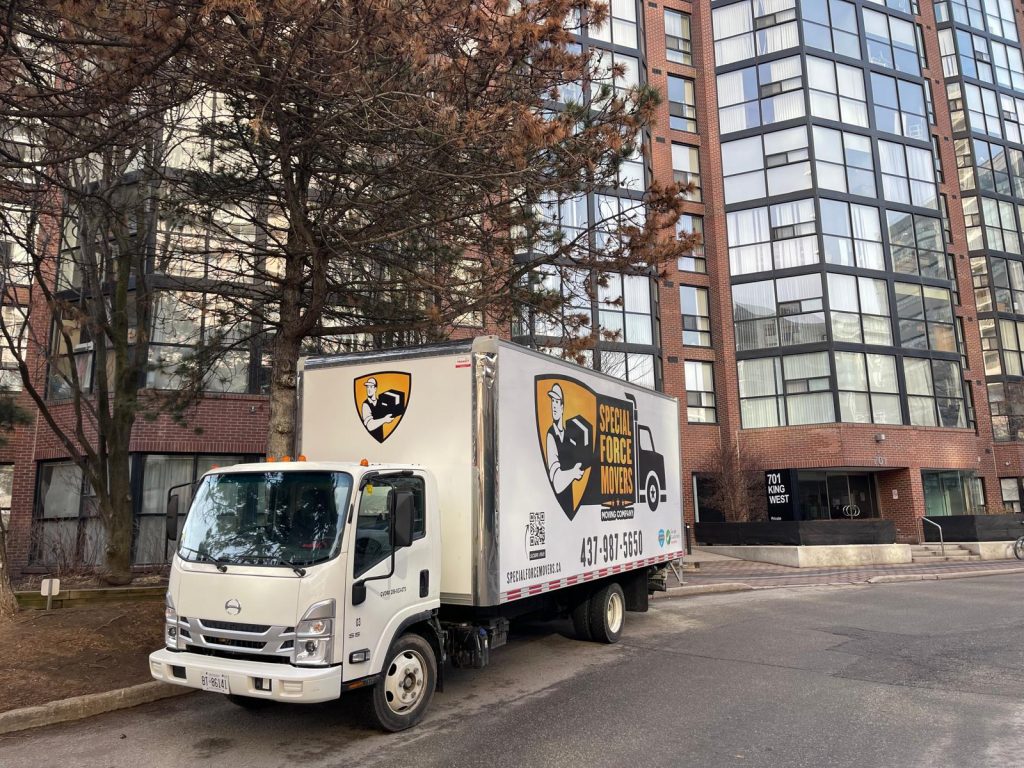
The service elevator controls the pace of many condo moves. A short elevator window can work for a small, well-packed unit, but a larger condo often needs more time. The size of the unit, storage locker items, furniture volume, and distance from the elevator all affect how much work fits into the booking.When our team prepares for a condo moving in Toronto, we want to know the elevator start time, end time, padding requirements, loading route, and any building instructions. Those details help us plan crew arrival, wrapping, loading order, and delivery timing. A strong elevator plan keeps the move from turning into a race against the clock.
Confirm the Loading Area and Truck Access
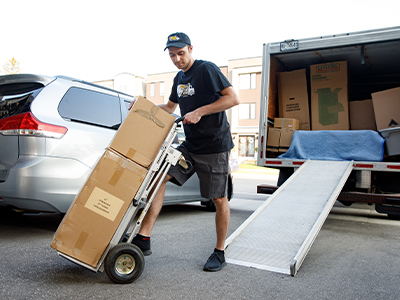
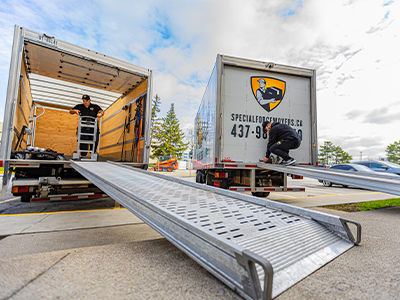
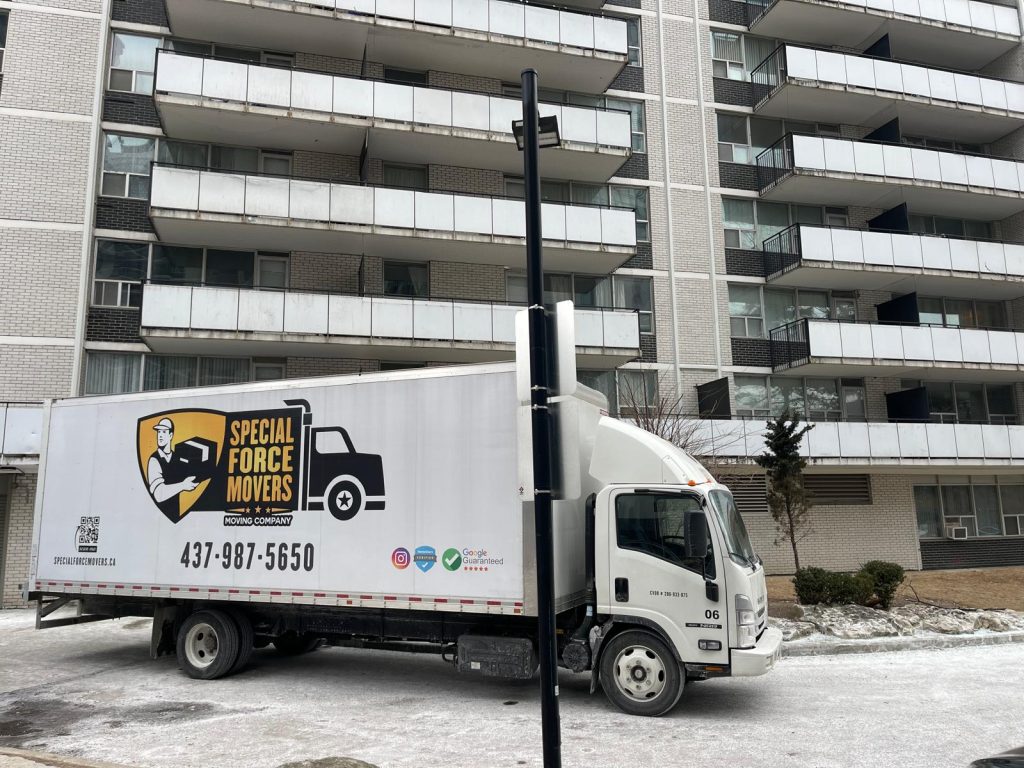
Truck access has a direct effect on labour time. A loading dock close to the service elevator helps the crew move efficiently. A long route through an underground garage, a shared driveway, or a busy street entrance adds time to every trip. The building may also have height limits, loading bay rules, or security procedures that affect the truck setup.Before moving day, confirm where the truck can load and how long it can stay there. If your condo has no private loading area, check street signs and ask building management about the best legal loading option. In some Toronto areas, a temporary parking permit or another city permit may be required, especially when space is limited or a moving container enters public space.
Pack for the Elevator Window
Condo packing should support the elevator schedule. Boxes need to close properly, labels should point to the destination room, and fragile pieces should be ready before the crew begins moving furniture. Loose items slow the work because they require extra handling and create more trips between the unit and elevator.Our crews often recommend packing by delivery priority. Bedroom items, kitchen basics, bathroom essentials, work equipment, and first-night items should stay easy to identify. A good moving checklist for Toronto condo residents should also include storage locker contents, balcony items, wall-mounted pieces, and anything stored in a parking-level cage or secondary room.
Prepare Furniture Before It Reaches the Hallway
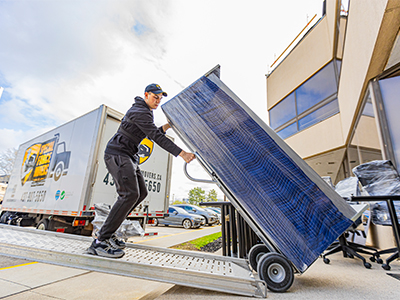
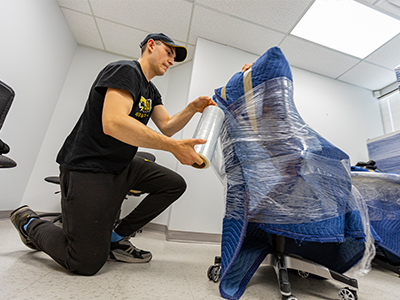
Furniture should leave the unit ready for safe movement. Sofas, beds, tables, desks, shelving, dressers, and TV units often require wrapping, disassembly, or additional protection before they pass through doorways and shared areas. That preparation protects the item and helps the crew move with better control.If a piece needs tools, tell the mover before the quote. Some items take only a few minutes to prepare, while others need more time and more careful handling. Our relocation services in Toronto can include furniture protection and disassembly support, ensuring the crew arrives ready to begin the actual work inside the unit.
Share Condo Rules with Your Movers
Condo rules vary from one building to another. Some buildings ask for a certificate of insurance. Some require a refundable damage deposit. Others limit move times, require elevator padding, or ask residents to complete move-in and move-out forms before the booked date. Your moving company needs these details before the crew arrives.Send the instructions to your mover in advance instead of keeping them for the morning of the move. That gives the crew a clear picture of arrival timing, parking access, elevator setup, hallway protection, and any paperwork the building staff wants to see. Clear rules also help the crew respect the property from the lobby to the unit door.
Keep the Storage Locker in the Plan
Many condo moves take longer because the storage locker gets added late. A locker can contain boxes, seasonal items, tools, small furniture, sports equipment, bins, décor, and pieces that need separate handling. If it is on another level or far from the elevator, the timing changes.Include the locker in your quote request, even if it seems small. Tell the mover where it is located, how much it contains, and whether anything needs to be packed before loading. For condo moving in Toronto, storage lockers often make the difference between a smooth elevator window and a rushed final hour.
Plan for Toronto Street Conditions
Toronto condo buildings often sit near busy streets, construction zones, transit routes, narrow driveways, underground garages, and restricted loading areas. A moving crew can work more efficiently when the route to the truck is clear and legal. Early access planning helps protect your timing and reduces unnecessary carrying distance.For 2026 moves, permit and access planning deserves extra attention in certain parts of the city. Some public right-of-way uses require City approval, and Toronto has noted additional road work restrictions in some areas during the May to July FIFA World Cup period. If your move involves downtown loading, a moving container, lane occupation, or a tight street setup, check the city’s requirements before moving day.
Give the Crew a Clear Delivery Plan
Delivery works better when the crew knows where items belong before unloading begins. Labels help, but a simple room plan helps even more. Decide what should go to the bedroom, kitchen, living area, den, storage room, and balcony before the truck reaches the new building.At the new condo, confirm elevator access, loading area, and building rules with the receiving property as well. The move does not end when the truck arrives. The final placement stage needs the same coordination as pickup, especially when the destination building has its own procedures.
What to Keep With You on Move Day

Some items should stay with you instead of going deep into the truck. Keep IDs, keys, fobs, elevator confirmation, building contact details, lease or closing documents, medication, chargers, basic toiletries, laptop, valuables, and first-night clothing within easy reach. This prevents delays when building staff asks for information or when you need essentials before unpacking.Keep cleaning supplies and a small toolkit available too. Condo moves often involve last checks, small furniture adjustments, or quick cleanup after the unit is empty. These items help you finish the day without having to search through packed boxes.
How Special Force Movers Supports Toronto Condo Moves
Special Force Movers provides relocation services in Toronto for condo residents who need careful packing, furniture protection, loading, transport, storage support, and final placement. Our team reviews the building details, move size, access route, and service needs before the crew arrives, so the move has a clear plan from the start.We help clients prepare for elevator bookings, parking access, shared-space protection, storage locker items, and fragile belongings. If you want support with condo moving in Toronto, contact our team and share your building instructions, move date, apartment size, and packing needs. Our team will help you shape the move around the building and the belongings.