


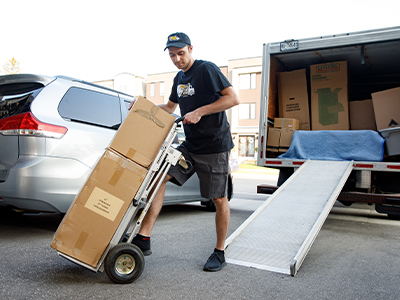
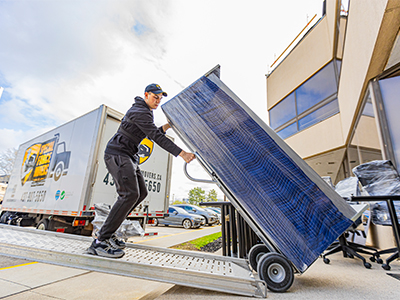








An office move runs best when every major decision has an owner before the first box gets packed. The furniture, files, technology, staff instructions, building access, and delivery plan all need to connect. When one part gets missed, the move can slow down quickly.At Special Force Movers, we help businesses move offices across the GTA and Ontario with a process built around preparation, protection, and continuity. A strong office moving checklist gives your team a shared plan and gives the movers the information needed to handle the relocation with care. So let’s move to the checklist. Use this office moving checklist as a fast review before your business move:
- Choose one internal move lead for all decisions and mover communication.
- Confirm the move date around staff schedules, lease timing, client work, and building access.
- Create a full inventory of desks, chairs, files, equipment, supplies, and storage areas.
- Share photos or a walk-through with your moving company for a more accurate quote.
- Review the new office layout and assign destination rooms or work areas.
- Label boxes by department, function, desk number, or room code.
- Give IT a separate plan for computers, monitors, phones, printers, cables, and servers.
- Decide which files need moving, storage, shredding, or locked handling.
- Confirm loading docks, freight elevators, parking, security access, and move-hour rules.
- Tell staff how to pack desk contents and when everything needs to be ready.
- Separate items that should stay with managers, owners, or IT staff.
- Prepare furniture that needs disassembly, wrapping, or special handling.
- Plan storage or staged delivery if the new office cannot receive everything at once.
- Update vendors, clients, delivery services, banks, insurers, and online business listings.
- Keep keys, fobs, access cards, floor plans, contact numbers, and first-day supplies available.
- Walk through the old office before the truck leaves.
- Check placement at the new office before the crew finishes.
A clear checklist helps your office relocation stay organized and gives the moving crew the details needed to protect your time, equipment, and workspace.
Start With One Move Lead
Every office move needs one person who can make decisions and keep the timeline moving. That person does not need to handle every task alone. The role works best when they collect information from leadership, IT, administration, operations, and building management, then keep the moving company updated as the plan changes.A move lead helps prevent scattered communication. Without a single point of contact, movers may receive conflicting instructions from different departments, which can create confusion on moving day. A single contact keeps the scope, timing, access details, and service level consistent from the estimate to final placement.
Set the Move Date Around Business Continuity

The best office move date is not always the first available date. Many businesses need to consider client meetings, payroll cycles, shipping schedules, staff availability, month-end accounting, building access, and IT setup. A Friday afternoon or weekend move can work well for some teams, while others may need a phased plan over several days.When we discuss an office relocation, we look at how the company needs to operate before and after the move. Some offices need desks and workstations ready by Monday morning. Others need files, equipment, or meeting rooms prioritized first. The date should support how the business runs, not just the lease deadline.
Build the Inventory Before You Request a Quote
An office quote becomes more accurate when the mover receives a real inventory. Desks, chairs, filing cabinets, boardroom tables, monitors, printers, shelving, reception furniture, kitchen items, storage contents, and specialty equipment all affect the crew size and truck setup. Photos can help when the office has large furniture, heavy pieces, or unusual access.The inventory also helps the business decide what should move, what should stay, and what should leave before moving day. Old furniture, broken chairs, outdated files, unused supplies, and extra equipment can add labour and truck space. A clean inventory helps the quote reflect the work your company actually needs.
Review the New Office Layout Early
A floor plan saves time at delivery. The movers need to know where desks, filing cabinets, boardroom furniture, reception pieces, storage shelves, and workstations should go. Even a basic marked plan can help the crew place items correctly the first time.This step matters more for larger offices. If the new space has multiple rooms, departments, or floors, every item needs a destination before it leaves the old office. Labels should match the floor plan, and staff should know how their desk contents will be identified. These are the office moving tips that save hours during unloading.
Give IT Its Own Timeline
Technology often controls how quickly a business can work after the move. Computers, monitors, docking stations, phones, printers, routers, servers, cables, and access control equipment need careful planning. Your IT provider or internal team should decide what gets disconnected, who handles reconnection, and which equipment needs special protection.Our movers can transport properly packed office technology, but IT teams should manage data, backups, network access, and device shutdowns. Before moving day, confirm who will pack cables, label devices, protect monitors, and test workstations at the new location. A smooth office move depends on more than placing desks in the right rooms.
Protect Files and Business Records
Office files need more care than regular boxes. Client records, financial documents, HR files, legal paperwork, contracts, and archived materials should move with a clear chain of responsibility. Locked cabinets, sealed file boxes, and department labels help keep records organized and reduce handling errors.If the move includes old records, decide what should be moved before packing starts. Some files may need secure storage. Others may need shredding before relocation. A proper office moving checklist should include a section for records, especially for businesses that handle client information or regulated documents.
Prepare Staff Before Packing Starts
Employees need clear instructions before they begin packing desks and shared areas. Tell each person what they should pack, what should stay connected for IT, how to label desk contents, and where personal items should go. Staff should also know the final deadline for packed desks.A short internal move notice can prevent confusion. Include the move date, packing deadline, label format, new desk assignment, first-day instructions, and the contact person for questions. Staff cooperation can make the difference between a controlled move and a rushed one.
Confirm Building Access at Both Locations
Office buildings often have rules for freight elevators, loading docks, security desks, after-hours access, insurance documents, parking, and move times. These details should reach the mover before the final quote. If the crew cannot access the dock or elevator at the planned time, the schedule can shift quickly.In Toronto and other GTA areas, access can also depend on street conditions, permit rules, loading zones, and building management procedures. Businesses moving into downtown offices, mixed-use buildings, or shared commercial spaces should confirm dock height, truck access, elevator dimensions, and security requirements early.
Pack by Function, Not by Room Alone
Office packing works best when the labels reflect how the business operates. A box labeled “Accounting files” or “Reception supplies” helps more than a vague room name. The new office may not use the same layout, so function-based labels give the crew and staff better direction during delivery.Desk contents should stay together and follow a consistent label system. Shared supplies need their own plan. Kitchen items, marketing materials, printer supplies, filing areas, and meeting room items should move in a way that helps the team restart work quickly. Good labeling is one of the most practical office moving tips for any business relocation.
Prepare Furniture for Safe Handling
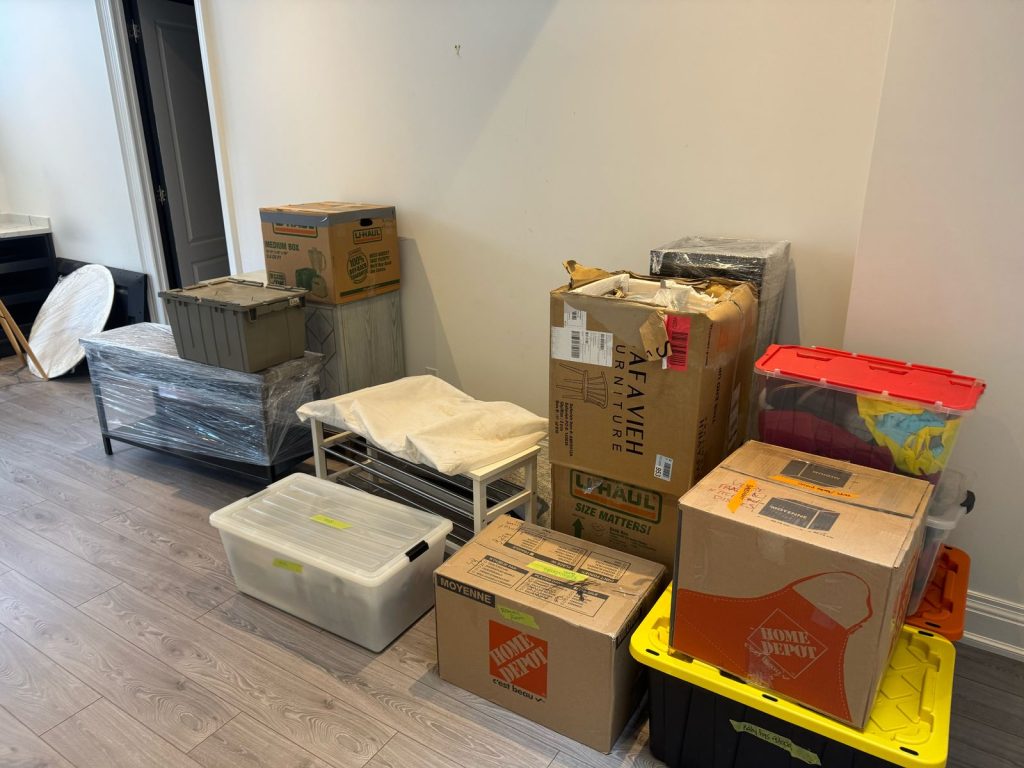
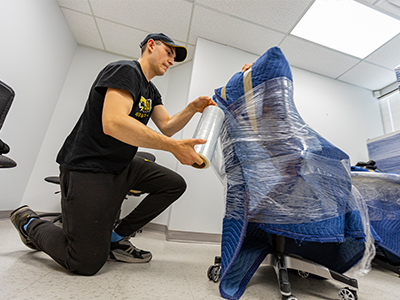
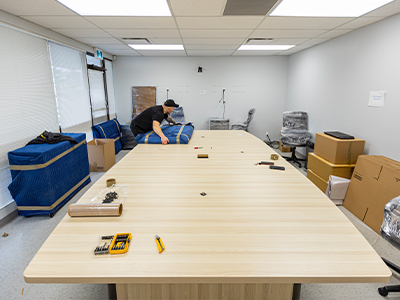
Office furniture can be heavy, awkward, or sensitive to damage. Desks, credenzas, boardroom tables, shelving units, reception counters, and filing cabinets may require disassembly, wrapping, or careful maneuvering through tight spaces. The crew should know about large pieces before moving day.Filing cabinets deserve special attention. Some can move with limited contents if the mover approves it, while others need to be emptied for weight and safety reasons. Glass panels, adjustable desks, modular furniture, and wall-mounted items should also be reviewed early so the crew brings the right tools and protection.
Plan for Storage or Staged Delivery
Many businesses do not move everything at once. Renovations, lease overlap, furniture delivery delays, downsizing, or phased team schedules can require storage or staged delivery. A staged plan helps keep items available when the new office is ready.Special Force Movers can help with office items that need to move into storage before final placement. This can work well for extra desks, archived files, seasonal materials, trade show supplies, and furniture that the new space cannot receive right away. For a larger office relocation, storage planning can protect the timeline and reduce clutter at the new location.
Update Vendors, Clients, and Mail
A business move affects more than the physical office. Update your address with clients, vendors, banks, insurers, delivery services, government accounts, software providers, and any supplier that sends mail or equipment. Canada Post business Mail Forwarding can help during the transition, but businesses should still update important contacts directly.Your team should also review signage, website contact pages, Google Business Profile, email signatures, invoices, contracts, business cards, and delivery instructions. Address updates can take longer than expected, so begin before moving day. This step helps clients and suppliers find you without delays after the move.
Prepare a First-Day Setup Plan
The first working day after the move should have a clear priority list. Decide which desks, meeting rooms, printers, phones, files, and supplies need to work first. The moving crew can place items according to your plan, while IT and internal teams handle testing and setup.Do not leave the first day to chance. Keep essential documents, office keys, access cards, passwords, chargers, cleaning supplies, basic tools, and emergency contacts available. The office does not need to be perfect on day one, but the core work areas should be ready for staff.
Final Walkthrough Before the Crew Leaves
A final walkthrough protects both locations. At the old office, check private offices, storage rooms, kitchen areas, supply closets, filing rooms, wall-mounted items, and loading areas. Small pieces often remain behind when teams focus only on desks and boxes.At the new office, walk through the main areas before the crew leaves. Confirm that key furniture is in the right place, labeled boxes reached their departments, and fragile pieces received proper attention. This final step completes the move cleanly and reduces the need for extra handling later.
How Special Force Movers Supports Office Moves in the GTA and Ontario
Special Force Movers helps businesses plan and complete office moves across the GTA and Ontario with trained crews, equipped trucks, packing support, furniture protection, storage moving, and delivery coordination. We review the office size, access, furniture, files, technology, and schedule before moving day so the service fits the work.If your business needs help preparing an office moving checklist, our team can guide you through the moving details that affect timing, labour, and protection. Share your office layout, inventory, building rules, move date, and service needs, and we will prepare a quote built around the real relocation.