



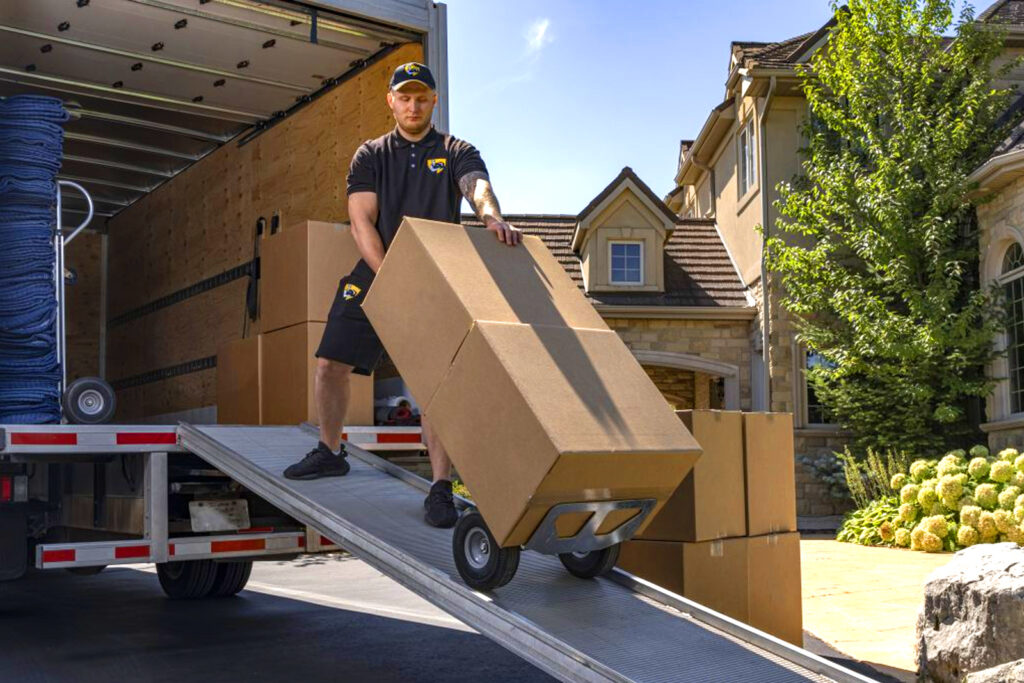
Packing has a bigger impact on a move than many people expect. The way a box gets filled, sealed, labeled, carried, and loaded can decide how well its contents arrive. Good packing does not need to feel complicated, but it does need a method.At Special Force Movers, we see the difference on moving day. A well-packed home provides the crew with a safer path through the property and better protection for belongings in the truck. Loose items, weak boxes, overloaded cartons, and rushed fragile packing create avoidable risk. Here we explain how to pack for a move with fewer breakage risks and better control from the first room to the final delivery.
Start With the Items That Can Break, Bend, Leak, or Shift
Before packing starts, look at your belongings by risk level instead of room order alone. Glass, mirrors, dishes, lamps, electronics, framed artwork, collectibles, plants, liquids, and small hardware all need more attention than everyday clothing or linens. This makes the packing plan sharper because the highest-risk items get proper materials and more time.A good packing plan should also separate items that should not travel together. Heavy books should not share a large box with fragile décor. Liquids should not ride beside paperwork, clothing, or electronics. Small hardware should not get loose in a furniture drawer. When these decisions happen early, the rest of the packing becomes easier and safer.
Choose Boxes That Match the Job
Strong boxes protect belongings better than worn cartons or bags. Moving boxes have cleaner edges, stronger sides, and better stacking ability inside the truck. Grocery boxes and old delivery boxes may work for light items, but they often fail under weight or from crushing when stacked.Use small boxes for dense items and medium boxes for mixed household goods. Large boxes should carry lighter items such as bedding, pillows, towels, and soft goods. Dish boxes, wardrobe boxes, picture boxes, and TV boxes can help when the item needs a shape-specific solution. These packing tips may sound simple, yet the choice of box often creates the first layer of damage prevention.
Control Box Weight Before It Becomes a Problem
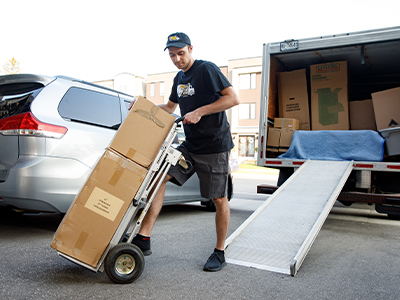
A box can look properly packed and still create trouble if it weighs too much. Heavy boxes tear at the bottom, slow down during transport, and increase the risk of a drop. Weight also affects the loading order inside the truck because heavy items need a stronger base.For books, files, tools, dishes, and pantry items, smaller boxes usually work better. Keep the weight manageable enough for one person to carry safely. Fill the empty space with packing paper or soft material so the contents do not shift, but avoid making the box so dense that the seams are under too much pressure.
Give Fragile Items Their Own Packing Time
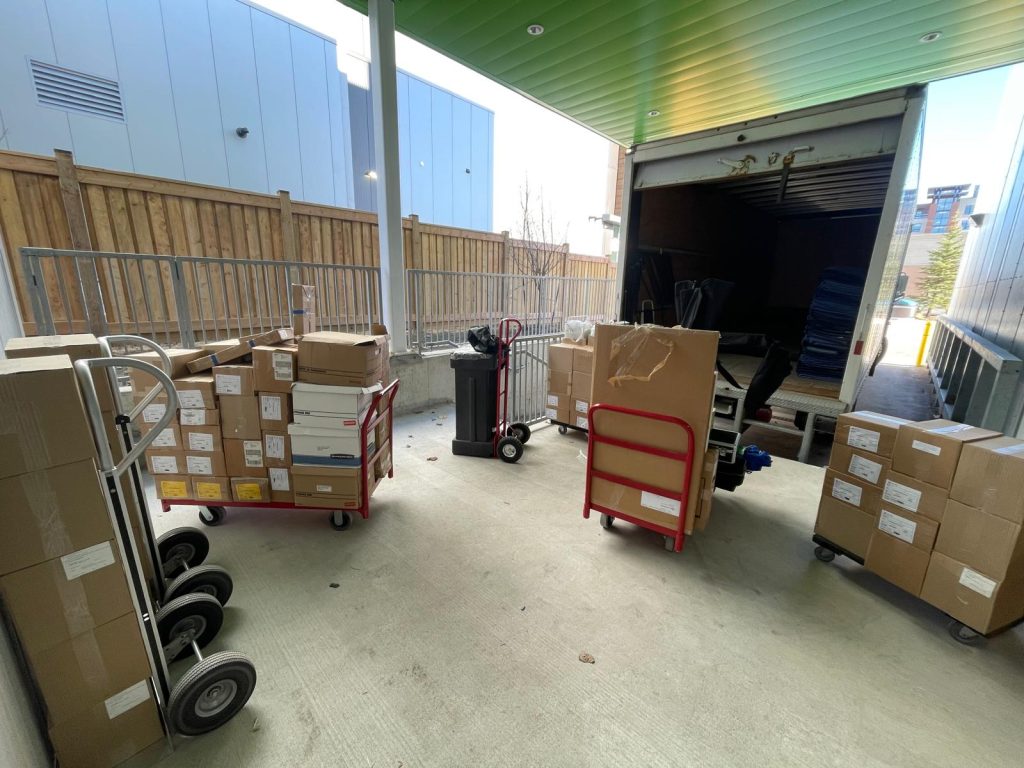
Fragile packing should never become the final task before the movers arrive. Dishes, glasses, mirrors, lamps, vases, picture frames, artwork, and decorative items need a calmer pace. Each piece should have enough cushioning to protect corners, edges, and pressure points.Wrap fragile items individually and create a soft base at the bottom of the box before adding the first item. Plates usually travel better on their edges, not laid flat in a stack. Glassware needs support inside and outside. Lampshades should have their own box when possible because they crush easily and do not recover their shape well.
Pack Electronics With Original Boxes When You Have Them
Original packaging gives electronics a better fit than a random box. If you still have the box for a TV, monitor, speaker, gaming console, or small appliance, use it. The inserts help keep the item steady and reduce pressure during movement.If the original packaging is gone, choose a sturdy box with enough room for padding on every side. Remove loose cables and accessories, then pack them in a labeled bag or small box. For screens, protect the face first, then add edge protection. Avoid placing heavy items on top of electronics boxes, even if the box looks sturdy.
Protect Furniture Before It Leaves the Room
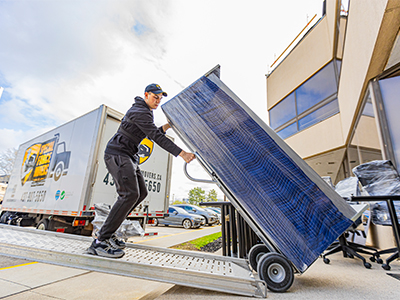
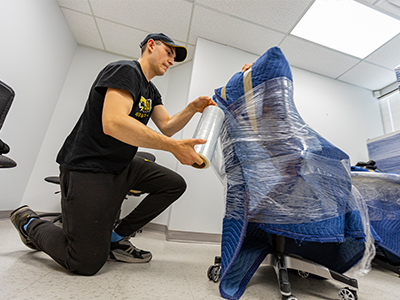
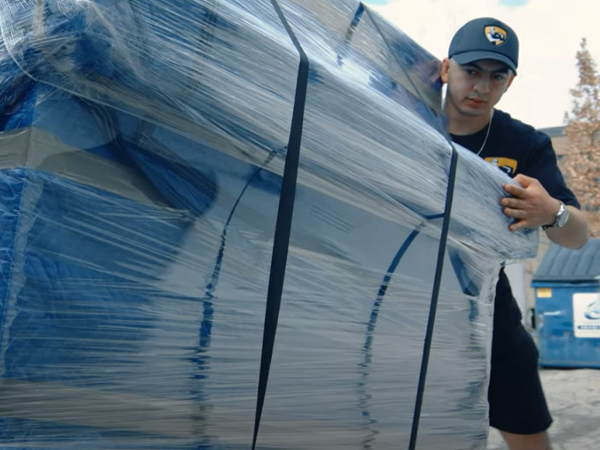
Furniture protection starts before the piece reaches the doorway. Remove loose shelves, glass inserts, detachable legs, and small parts that can shift during carrying. Keep screws and hardware in a labeled bag and tape the bag to a safe part of the item or place it in a clearly marked essentials box.Blankets, stretch wrap, and proper lifting help protect furniture surfaces during the move. Stretch wrap can hold drawers or protective padding in place, but it should not remain in contact with certain finishes for extended periods. When a piece has delicate wood, glass, stone, or antique detail, mention it to the moving crew before moving day so the protection plan fits the item.
Pack Liquids with Extra Care
Liquids cause some of the most frustrating damage during a move because a single leak can ruin an entire box. Cleaning products, toiletries, oils, sauces, paints, and personal care products should stay upright, sealed tightly, and packed away from clothing, paperwork, linens, and electronics.Before packing liquids, remove anything expired, nearly empty, or easy to replace. For items you keep, tighten lids and place bottles in sealable bags where practical. Use a plastic bin for higher-risk liquids if you have one. Do not pack flammable, pressurized, or hazardous items without checking what your mover can safely transport.
Keep Hazardous and Restricted Items Out of the Moving Load
Some household items should not go into the moving truck. Propane tanks, gasoline, lighter fluid, certain aerosols, fireworks, ammunition, corrosive chemicals, and other dangerous goods can create safety risks during transport. These items require separate handling, disposal, or personal transport under applicable rules.Ask your moving company before packing anything that can burn, explode, leak, corrode, or release pressure. A professional crew should never discover these items after the truck is already being loaded. Safe packing protects your belongings, the crew, the truck, and everyone else on the road.
Label Boxes for Handling, Not Only for Rooms
A label should help both the mover and the person unpacking. “Kitchen” is useful, but “Kitchen fragile glasses” gives better handling information. “Bedroom” works, but “Primary bedroom bedding” helps the box reach the right place and makes it easier to find later.Use labels that show the destination room, contents category, and handling note when needed. Place labels on more than one side so the crew can read them after stacking. Mark fragile boxes clearly, but do not rely on the word alone. The real protection comes from proper wrapping, cushioning, and weight control inside the box.
Use Soft Items as Support, Not as Random Filler
Towels, blankets, socks, and linens can help protect items when used carefully. They work well around sturdy household goods, in gaps, or as a cushion between items without sharp edges. This can reduce waste and make better use of soft belongings you already need to move.Do not use valuable clothing or delicate fabrics around items that can stain, scratch, or leak. Soft items can also create a false sense of protection when fragile pieces still need paper, bubble wrap, or a proper box. Use them as support, not as the main solution for glass, artwork, or electronics.
Keep First-Night Items Separate
The first night after a move should not depend on opening random boxes. Pack a separate bag or small box with medication, documents, chargers, toiletries, basic clothing, pet items, children’s essentials, snacks, cleaning supplies, and anything needed before full unpacking begins.This box should stay with you or travel in a clearly marked place. It also helps to keep tools, bed hardware, and remote controls easy to find. These small items cause major delays when they disappear into a large stack of boxes.
Prepare for Ontario Weather and Building Access
Packing in Ontario often needs weather planning. Winter slush, spring rain, summer heat, and windy loading areas can all affect how items travel from the home to the truck. Plastic bins, mattress bags, extra wrapping, and sealed boxes can help protect belongings during poor weather.Building access also affects packing choices. Condo moves, apartment moves, townhouse moves, and storage moves all place different demands on boxes and furniture protection. Long hallways, elevators, stairs, loading docks, and parking distances can increase handling time. Strong packing gives belongings a better chance through every carry, turn, and load.
When Professional Packing Help Makes Sense
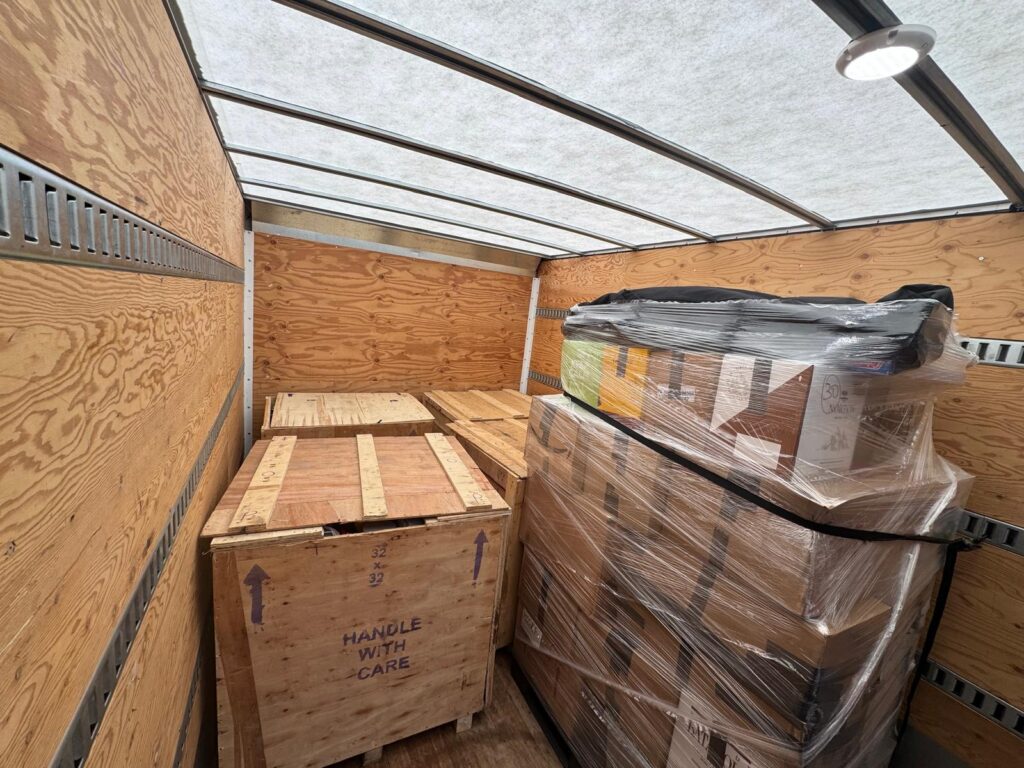
Some clients can pack most of the home themselves and only need help with fragile or oversized items. Others benefit from full packing support due to time constraints, larger homes, senior moves, office relocations, or delicate belongings. The right choice depends on your schedule, comfort level, and the value of the items being moved.Special Force Movers can support packing when the move needs stronger protection or a faster plan. We can help with fragile items, kitchen packing, furniture wrapping, apartment moves, house moves, storage moves, and long-distance relocations. If you are unsure how to pack for a move with several delicate or heavy pieces, ask for packing guidance before moving day.
Packing Check Before Moving Day
The last review should focus on what can still go wrong. Check that boxes are sealed, labels are visible, liquids are separated, fragile items have enough cushioning, and furniture hardware is easy to find. Remove anything that should not travel in the truck.Clear the main pathways before the crew arrives. Keep the first-night box, valuables, documents, and personal items in a safe place. Good packing gives the moving crew a better start and gives your belongings stronger protection from pickup to final placement.