








Toronto moving days get difficult when the schedule has no room to breathe. The old address has to be cleared, the new space is not fully ready, and every decision starts pushing against the same few hours. In that situation, storage gives the move a controlled middle step instead of forcing furniture, boxes, and timing into one overloaded day.
At Special Force Movers, we treat storage as part of the moving plan, not as an afterthought. Belongings need to leave the first address safely, stay protected while the timing gap closes, and return to the route in the right order.
Let us explain when moving and storage in Toronto makes sense, how to prepare items for a short storage period, and what to discuss before booking.
Storage Should Enter the Plan Before Moving Day
Storage works best when it gets planned during the quote stage. Once the crew knows which items go directly to the new address and which ones need storage, the whole move becomes easier to organize. The truck can be loaded with the right sequence. Furniture can receive the right protection. Boxes can carry labels that still make sense days or weeks later.
Last-minute storage creates the opposite effect. The crew has to adjust the loading order while the move is already underway, and items meant for different destinations can get grouped together. That does not help the customer, the movers, or the final delivery. A short conversation before booking often prevents that problem.
A good quote for moving and storage in Toronto should cover the pickup address, storage stop, final delivery plan, access at each location, packing needs, and any items that need extra care. Those details shape the crew size, truck setup, labour time, and materials. They also give the customer a clearer idea of what storage adds to the move.
Short-Term Storage Gives the Move a Better Rhythm
Direct delivery is usually the simplest option when the new space is ready. Storage earns its place when the move needs a pause between pickup and final placement. That pause can protect the schedule, reduce pressure on the destination, and keep belongings from being placed in a space that still needs work.
The benefit is practical. Instead of rushing furniture into a condo before the elevator window closes or bringing boxes into a home before the floors are ready, the move gets divided into two controlled stages. Pickup happens when the old space needs to be cleared. Delivery happens when the new space can receive items properly.
That is why short-term storage in Toronto often helps during moves with tight building schedules, delayed possession, renovation work, staging needs, or downsizing decisions. The storage period does not need to be long. Even a short gap can make the difference between a move that feels crowded and a move that stays organized.
The Load Needs to Be Prepared for Extra Handling

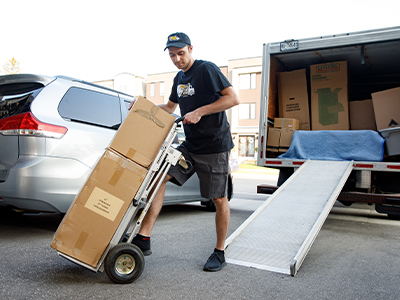
A direct move puts belongings through one main transport cycle. Storage adds more handling, so the packing standard has to be stronger. Boxes should close cleanly, hold their shape, and stack without crushing. Furniture needs protection that lasts beyond the truck ride.
This is where professional moving experience matters. A box that survives a short carry from bedroom to truck is not always ready for storage and later delivery. Weight distribution, box quality, sealing, and labelling all become more important. The same idea applies to furniture, especially pieces with glass, delicate finishes, removable shelves, or loose hardware.
When clients use storage for moving, we recommend thinking about the final delivery before the first item leaves the home. Items that will be needed early should stay easy to identify. Pieces going to storage should be protected for time, not only distance. That approach keeps the second stage of the move much cleaner.
Boxes Need Labels That Still Help Later
A stored box should tell you where it belongs after storage, not only where it came from. A vague label might feel fine while packing, but it becomes useless when the box returns weeks later and several rooms look similar. The label should guide final placement.
Room names help, but the best labels add context. Kitchen items for immediate use should look different from kitchen items that can wait. Bedroom bedding should not disappear behind seasonal decor. Office paperwork should be easy to separate from general household goods. Clear labels make delivery faster and reduce unnecessary handling inside the new space.
A simple inventory also helps. It does not need to become a formal spreadsheet unless the move is large. A room-by-room count, notes for fragile items, and a short list of furniture going into storage can give everyone a shared reference. That small step becomes valuable when stored items come back out.
Furniture Protection Has to Match the Storage Period
Furniture going into storage needs more than quick moving-day wrapping. Wood, upholstery, glass, mirrors, mattresses, and painted pieces all react differently to pressure, dust, handling, and time. The protection should match the item and the way it will be stored.
Our crews look closely at removable parts before a storage move. Shelves, bed hardware, table legs, glass inserts, and loose components should stay controlled. Small parts need labelled bags. Larger pieces need padding where contact is likely. Nothing should go into storage in a way that makes the return delivery harder.
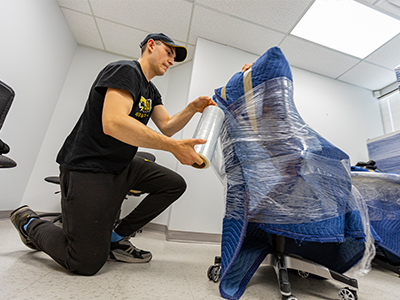
Mattresses, upholstered furniture, and delicate finishes deserve special attention. A mattress bag can help keep fabric cleaner. Furniture blankets can protect edges and surfaces. Stretch wrap can hold protection in place, but it should be used carefully around certain materials. Good preparation protects the item and makes final placement easier.
Toronto Access Can Decide How Useful Storage Becomes
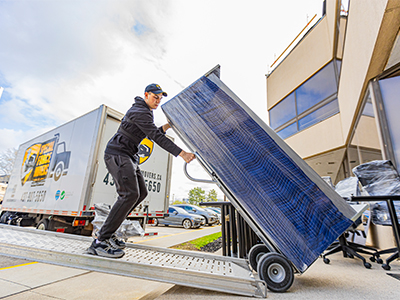
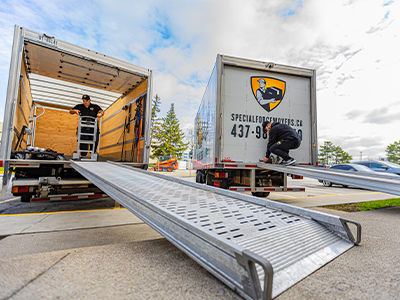
Toronto access often shapes the move before the first item leaves the unit. Condo elevators, loading docks, underground clearance, narrow streets, laneways, construction activity, and limited parking all affect timing. Storage helps when these conditions do not line up neatly across both addresses.
A well-planned storage move treats each address separately. Pickup access gets reviewed on its own. Storage access gets reviewed on its own. Final delivery gets the same attention. That prevents the crew from assuming the second stage will work like the first.
Street rules also deserve attention. Some Toronto moves involve permit parking areas, loading restrictions, or public right-of-way issues when containers or equipment enter public space. Clients do not need to become permit experts, but they should raise access questions early. The moving plan works better when legal loading space and building requirements are clear.
Renovations and Staging Need Space Before They Need Furniture
Renovation schedules often change the order of a move. Rooms need to stay clear while floors, paint, cabinetry, repairs, or cleaning work continues. Bringing furniture back too early creates more handling and raises the risk of scuffs, dust, and accidental damage.
Short storage gives the property time to become ready for placement. The crew can return after the work area is clean and usable. Furniture then enters a space that is prepared for it, which reduces repositioning and makes the final delivery feel less crowded.
Home staging uses storage in a different way. The goal is to remove visual weight from the property before photos and showings. Extra furniture, packed boxes, and personal items can leave temporarily while the sale process continues. Once the next step is clear, those items can move into the new home or another destination with a cleaner plan.
Downsizing Works Better With a Temporary Holding Point
Downsizing brings decisions that do not always fit into moving day. Furniture from a larger home might not suit the new layout. Some items need measuring, sorting, selling, donating, or passing to family. A rushed decision can create a crowded new space and more labour later.
Short storage gives clients time to see the new home before every item arrives. The main move can still happen on schedule, while selected belongings wait for a better decision. This helps avoid overloading a condo, apartment, or smaller house before the layout has been tested.
This is one of the most practical uses of short-term storage in Toronto. It gives the customer time without stopping the move. The belongings stay protected, and the new space has room to become functional before the remaining items return.
Costs Depend on Handling, Access, and Timing
Storage changes the cost because the move now has more stages. The crew handles items during pickup, storage placement, and final delivery. Packing materials may need to be stronger. Truck time, labour, access, storage duration, and tax can all affect the final price.
The best way to keep the estimate accurate is to make the storage scope clear. Tell the mover which items go into storage, which items go directly to the new address, and which items need special protection. Share photos when the move includes large furniture, fragile pieces, storage lockers, or tight access.
A clear quote should explain the moving labour, transportation, storage support, materials, final delivery, and applicable HST. Without that breakdown, the customer cannot see what the storage phase adds. Good pricing is not only about the total. It should show how the service is built.
Some Items Should Stay With You
Storage is useful for furniture, sealed boxes, household goods, seasonal items, decor, and belongings that do not need daily access. Personal essentials belong somewhere else. Keep medication, passports, legal papers, cash, jewellery, keys, chargers, work devices, pet items, and first-night supplies with you.
Liquids, perishable food, plants, and hazardous materials also need care. Some items do not belong in a moving truck or storage load at all. Others require personal transport or a different storage environment. If an item has high value, unusual sensitivity, or safety concerns, bring it up before packing.
This step prevents one of the most frustrating storage problems. When daily-use items get packed into storage by mistake, the customer has to spend time and money retrieving something that should have stayed close. A small personal essentials area near the start of the move solves that problem.
How Special Force Movers Plans Moving and Storage

Special Force Movers plans storage moves around timing, protection, and final delivery. We review the schedule, the belongings, the access conditions, and the service needs before the crew arrives. That gives the move a structure that fits the real job.
Our team can help with packing, furniture wrapping, loading, transportation, storage support, and final placement. We do not treat every storage move the same. A condo move with an elevator gap needs a different plan from a renovation move, and a downsizing move needs different handling from a simple delayed delivery.
Storage is not always necessary. When the new space is ready and access lines up, direct delivery often works best. When timing creates pressure, storage for moving can protect the schedule and make the final delivery easier to manage.
Final Thoughts
Short-term storage works best when it has a clear purpose. It should protect the move from timing problems, keep belongings safe during a transition, and make final delivery easier. It should not become a place where unclear decisions disappear.
If your move needs a gap between pickup and delivery, talk to the mover before the quote is finalized. Share the schedule, access details, item list, packing needs, and destination plan. Special Force Movers can help you decide if storage belongs in the move and prepare the service around the belongings that need extra time before final placement.